: THE ORIGIN OF DEVOA Ⅳ
Faliero Sarti : A special collaboration in fabric production.
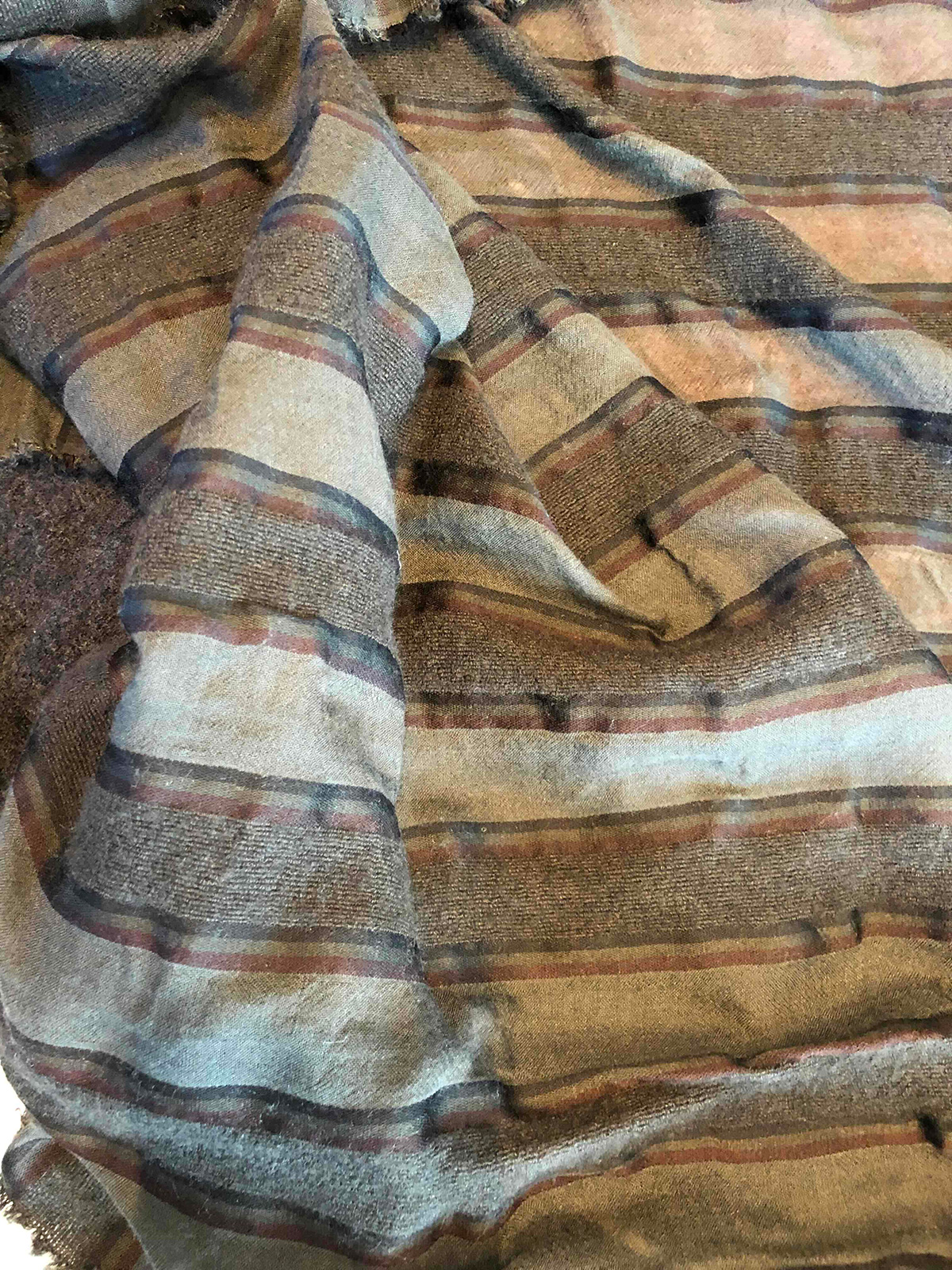
We produce DEVOA fabrics in collaboration with many different and unique fabric production companies.
Amongst these, Faliero Sarti is an Italian company with whom we have been working closely for the last ten years (Our collaboration first began after we met in 2017).
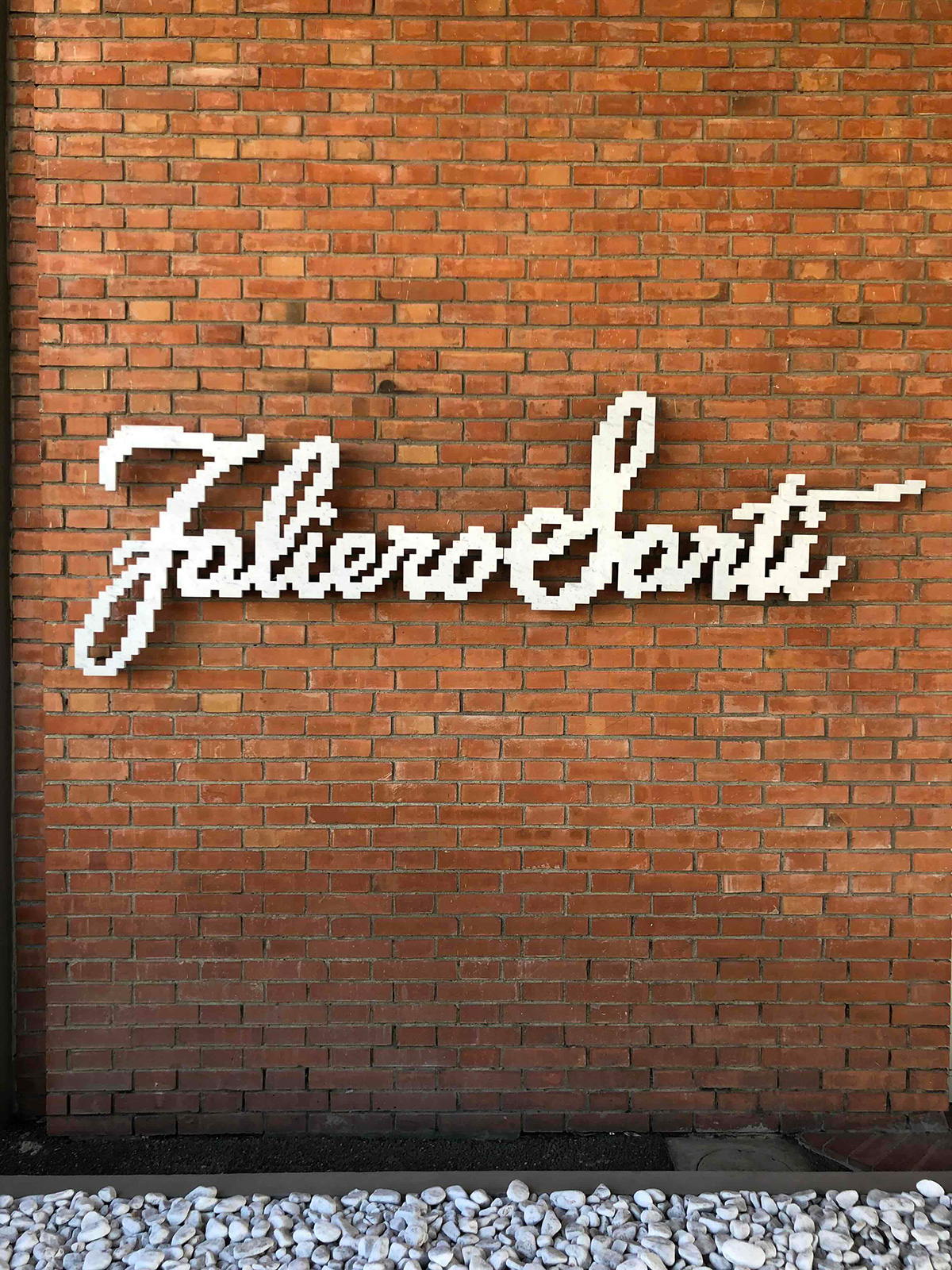
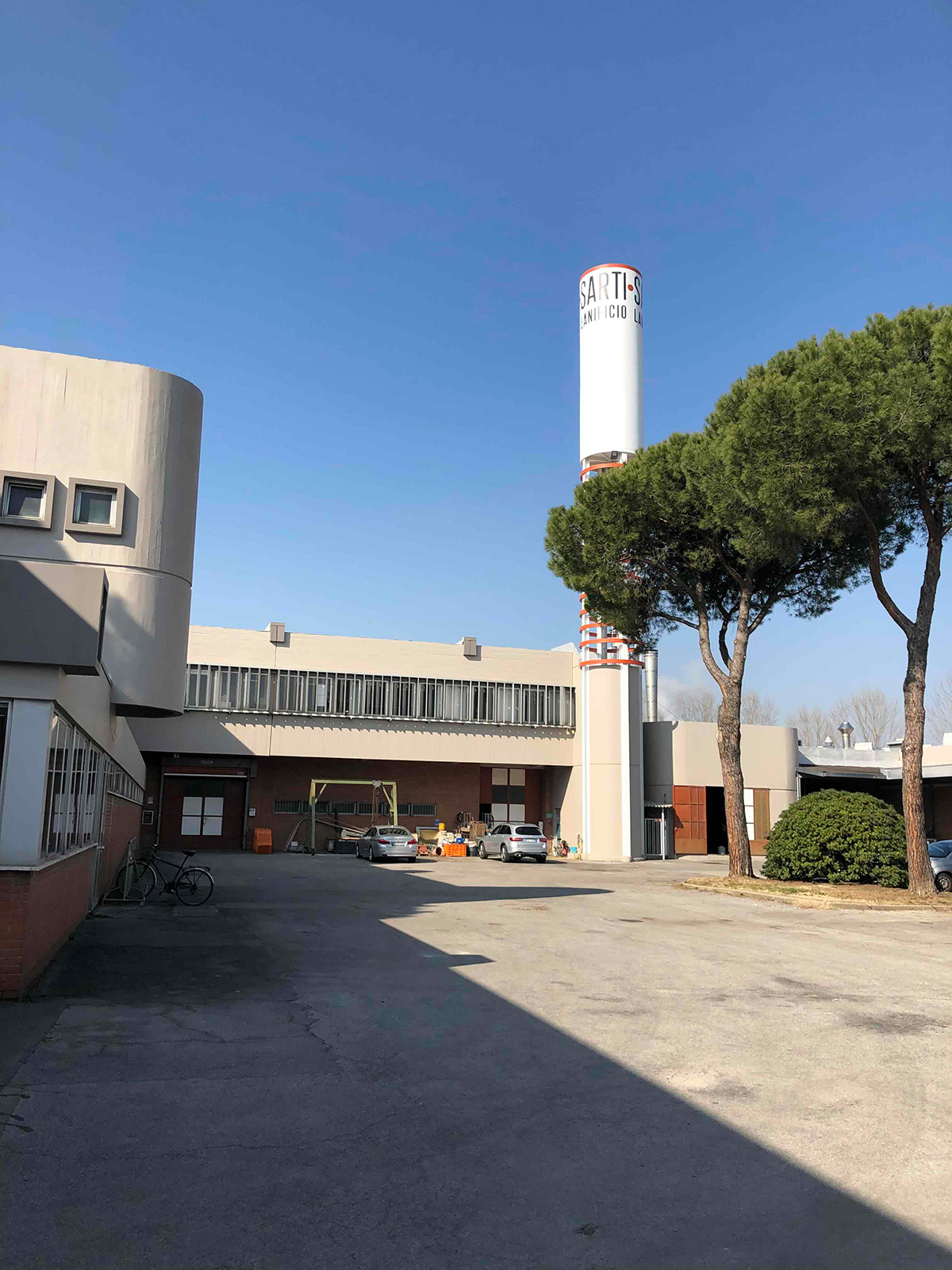
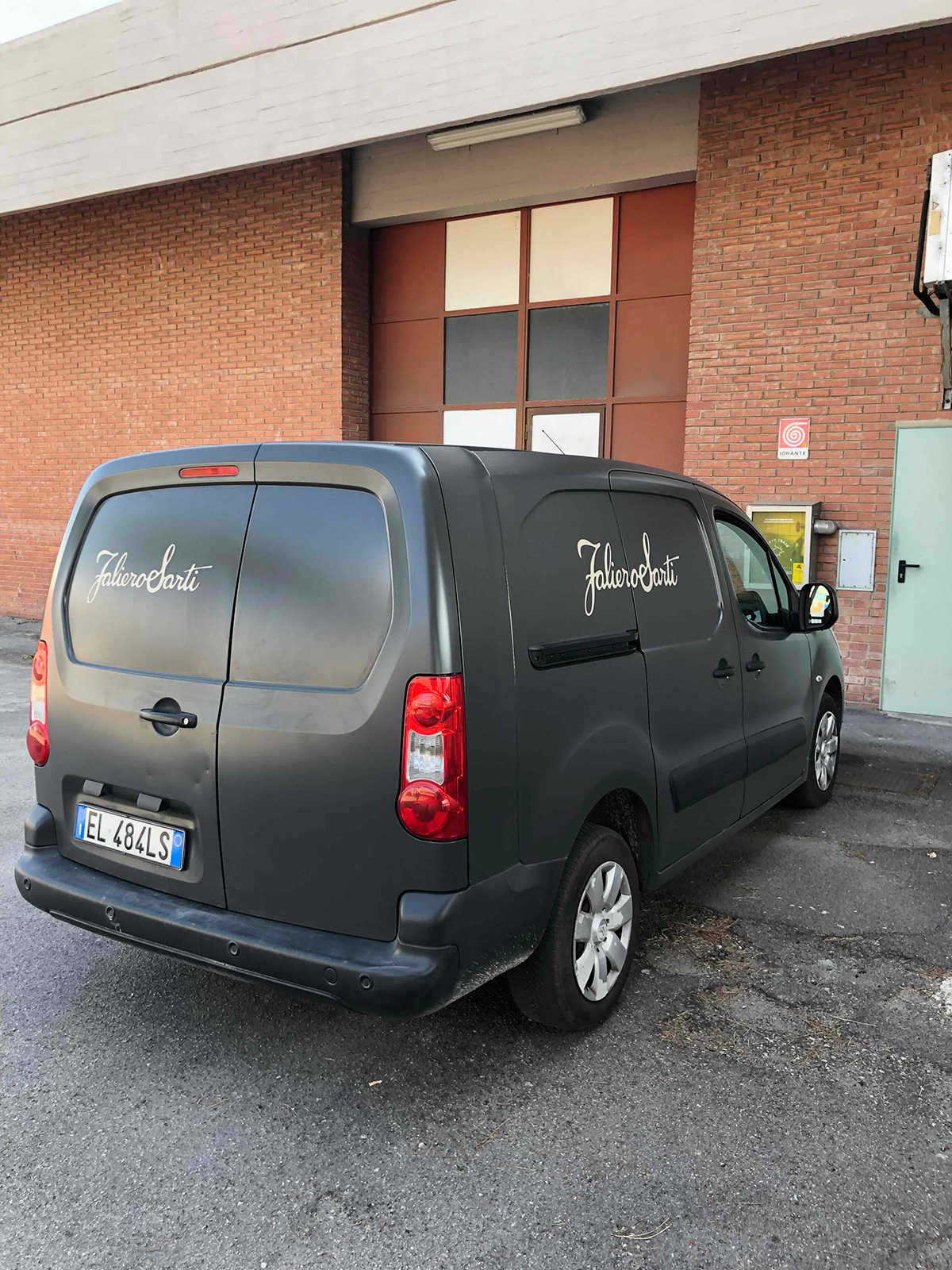
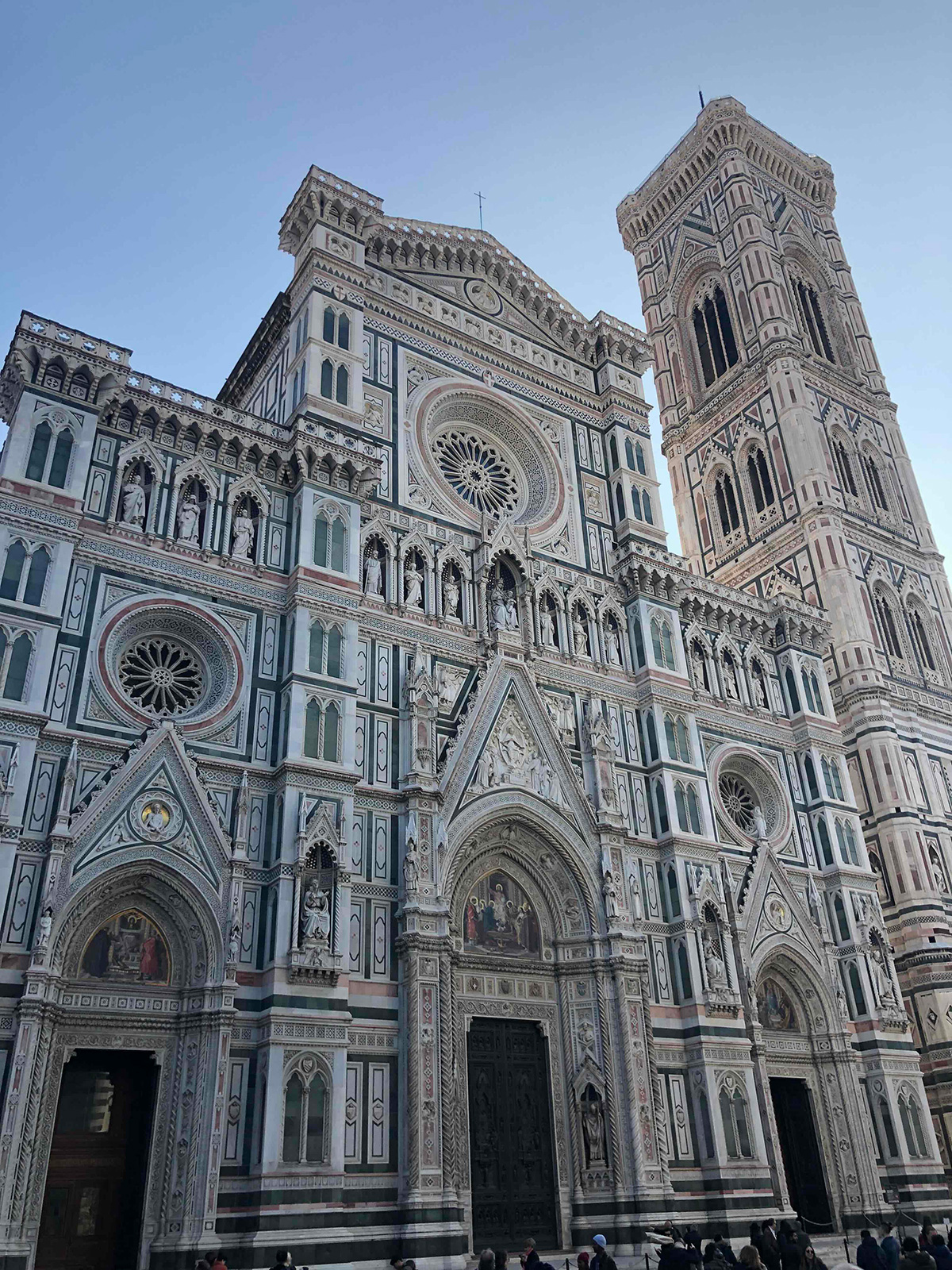
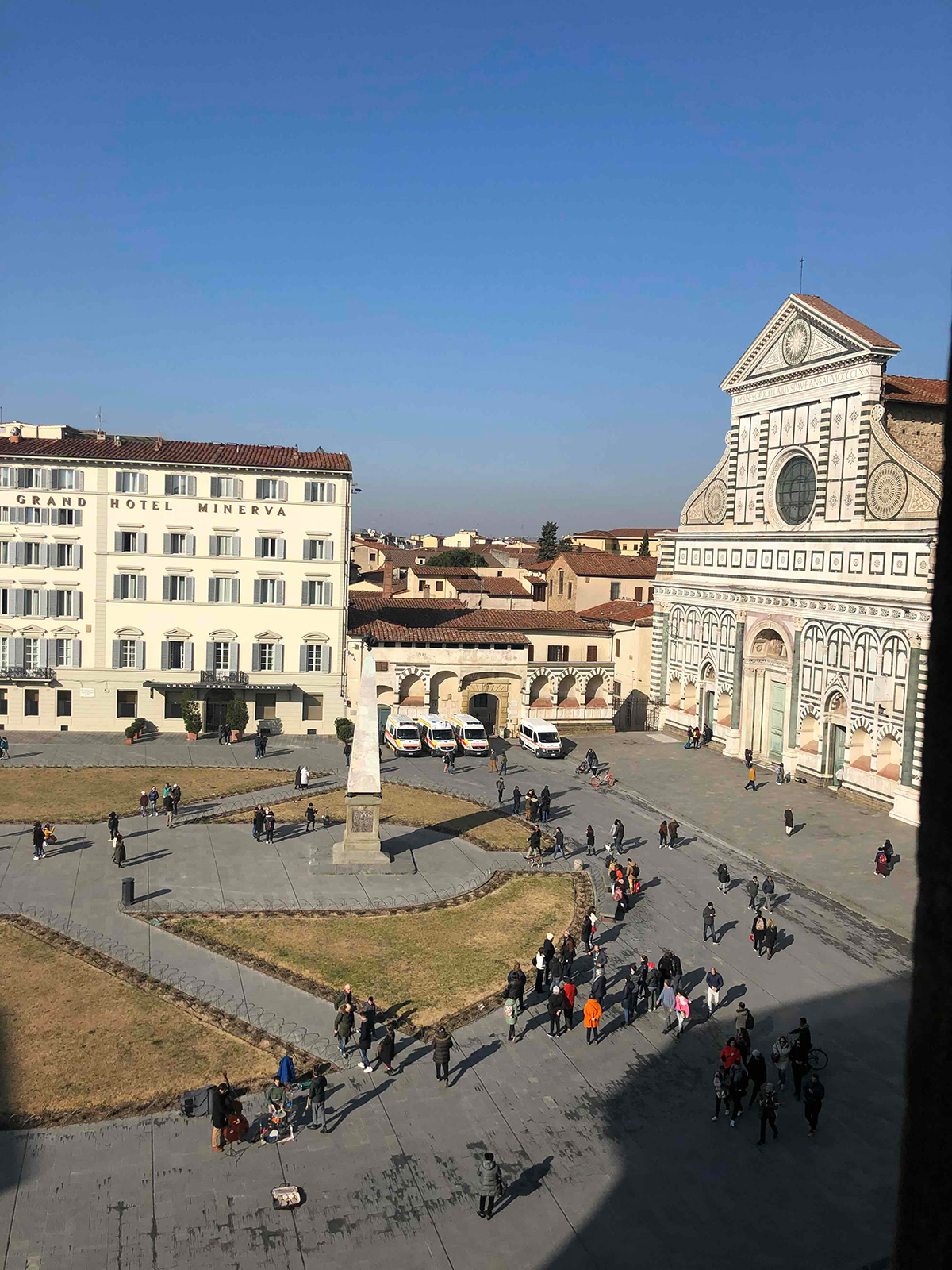
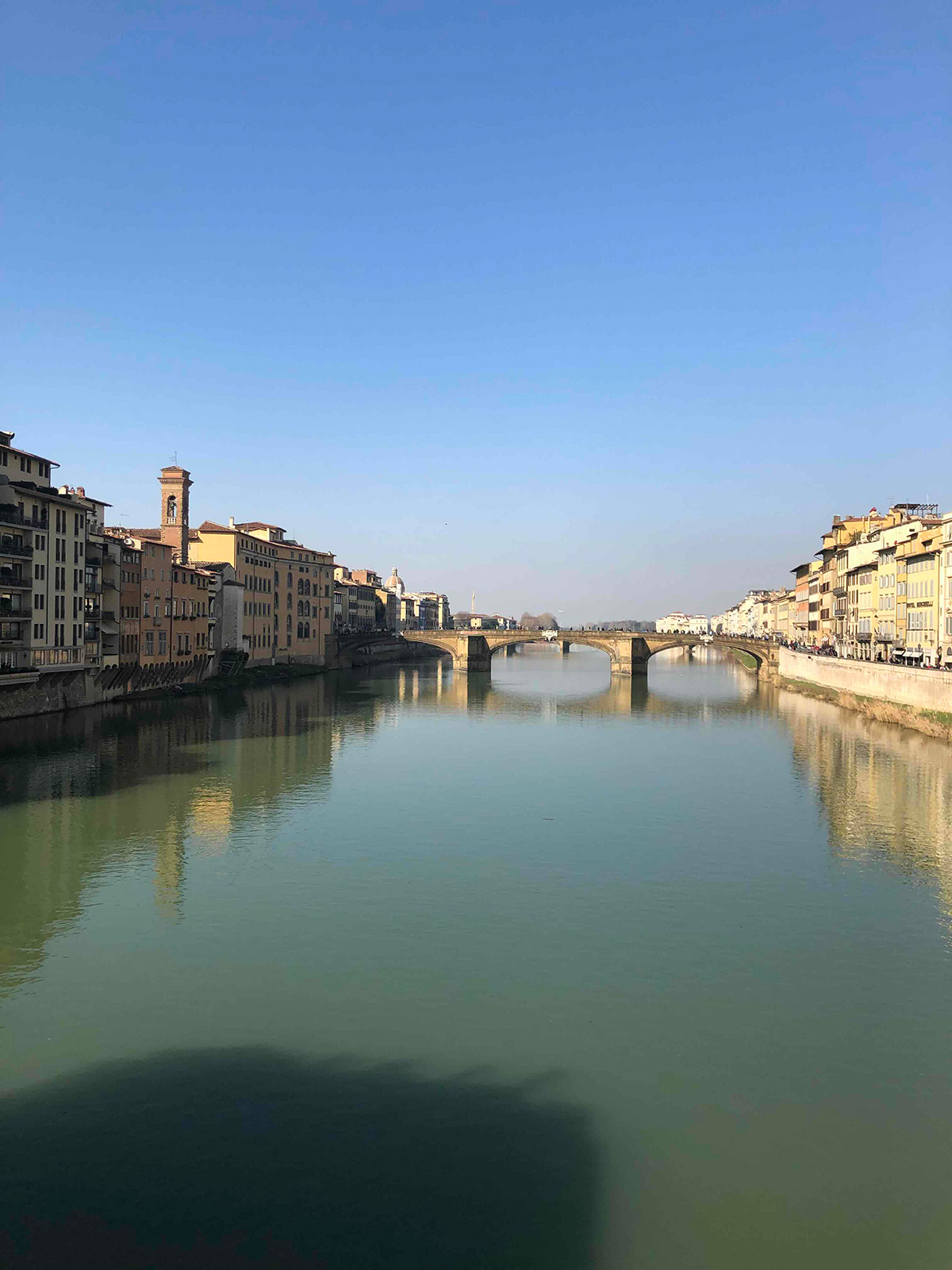
Faliero Sarti headquarters in Campi, Italy
/ Neighboring town is Florence
I’m often asked in interviews about the differences between Japanese and American fabrics and I feel that the biggest difference is in the fundamental quality of the raw materials and the finishing of the fabric (technically known as Mechanical and Chemical Finishing).
The F.S. fabrics are always wonderful, as are their distinctive colors, which has made them extremely popular with some of the best designers around the world.
Here at DEVOA we learned many things from working with F.S. fabrics; such as the fact that simply using a good fabric does not necessarily mean that it will become a good product.
The fabrics I choose are always unique in some respect but if I don’t give careful consideration to the amount of fabric used in the product and the design, the results may not always come out beautifully.
The skill of the sewing technician will obviously also play a major role, but I learned that the secondary material (interlining) used will have an especially major impact on the characteristics of the fabric, the finished product and how it feels when worn.
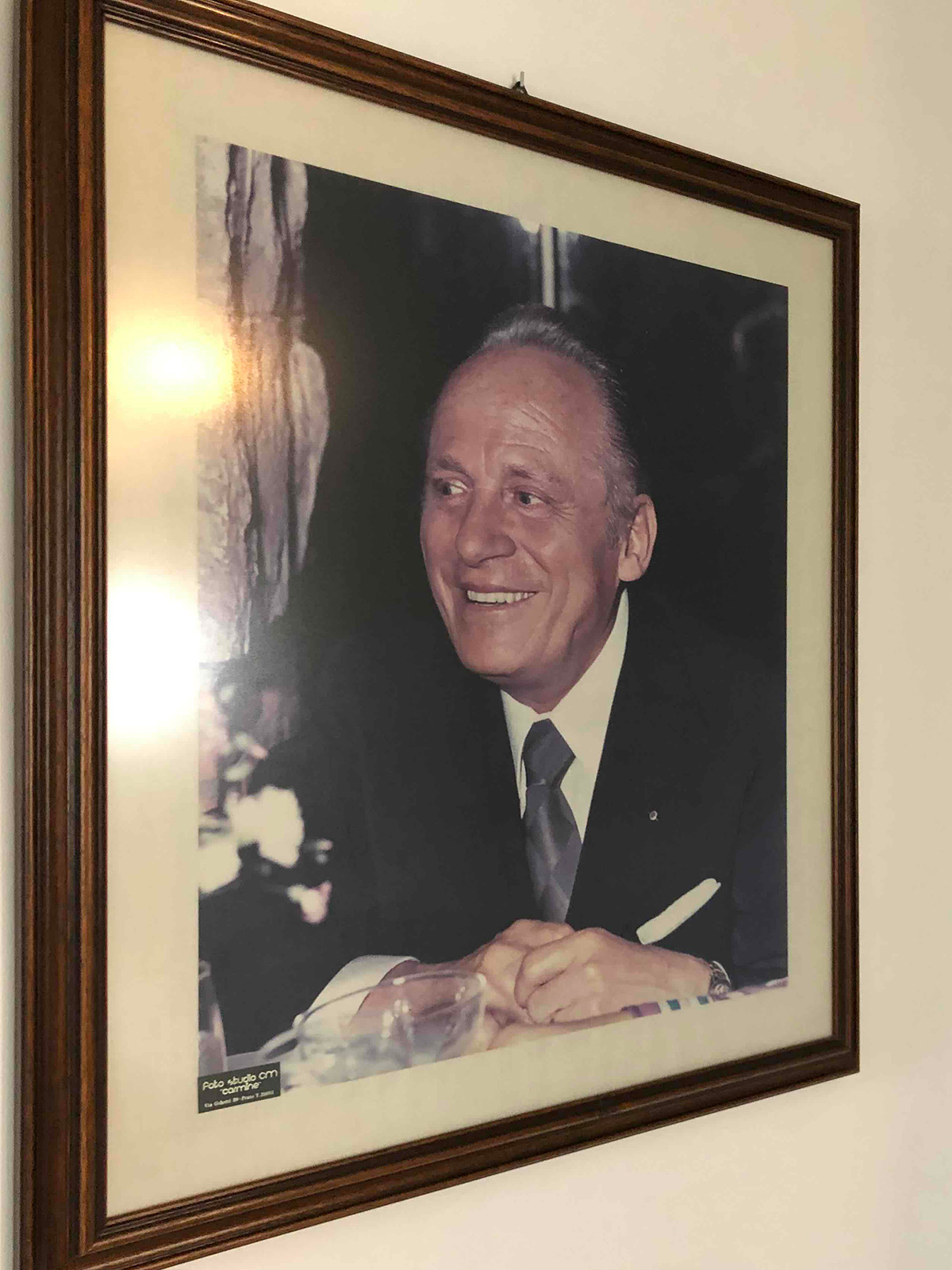
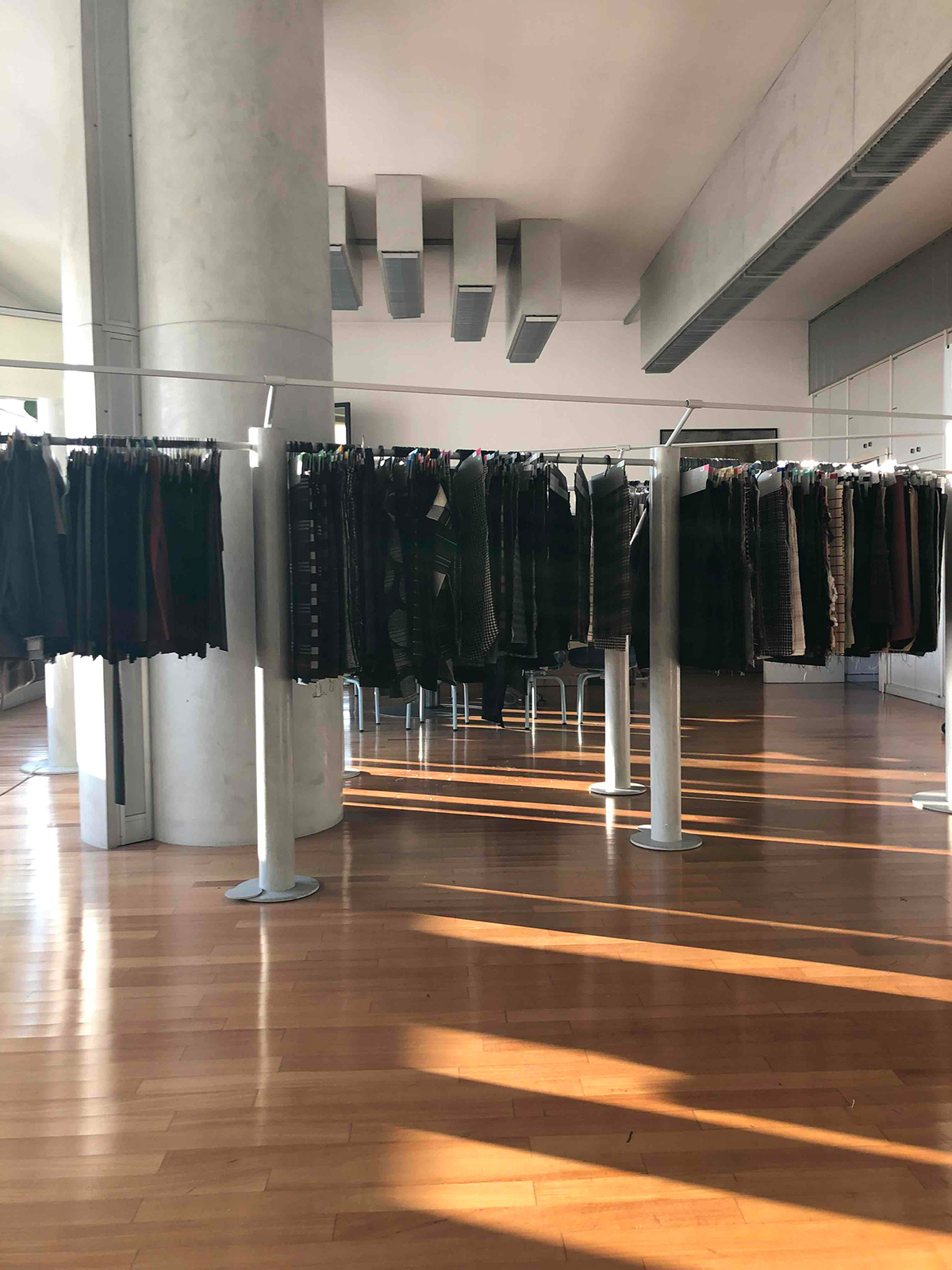
Founder Faliero Sarti / Fabric sample room
We have a saying : “Conversing with the fabric….” It may sound like an exaggeration but when it comes to producing well-made products, it is essential to find a good balance with the interlining.
The Interlining is usually a thin piece of fabric placed between the outer and inner layers, which can give it a three-dimensional appearance and soft finish.I think of it almost like a body double (“kagemusha”) for the product.
Learning these lessons, while working with Sarti’s fabrics, has had a major impact on the overall quality of DEVOA’s manufacturing.
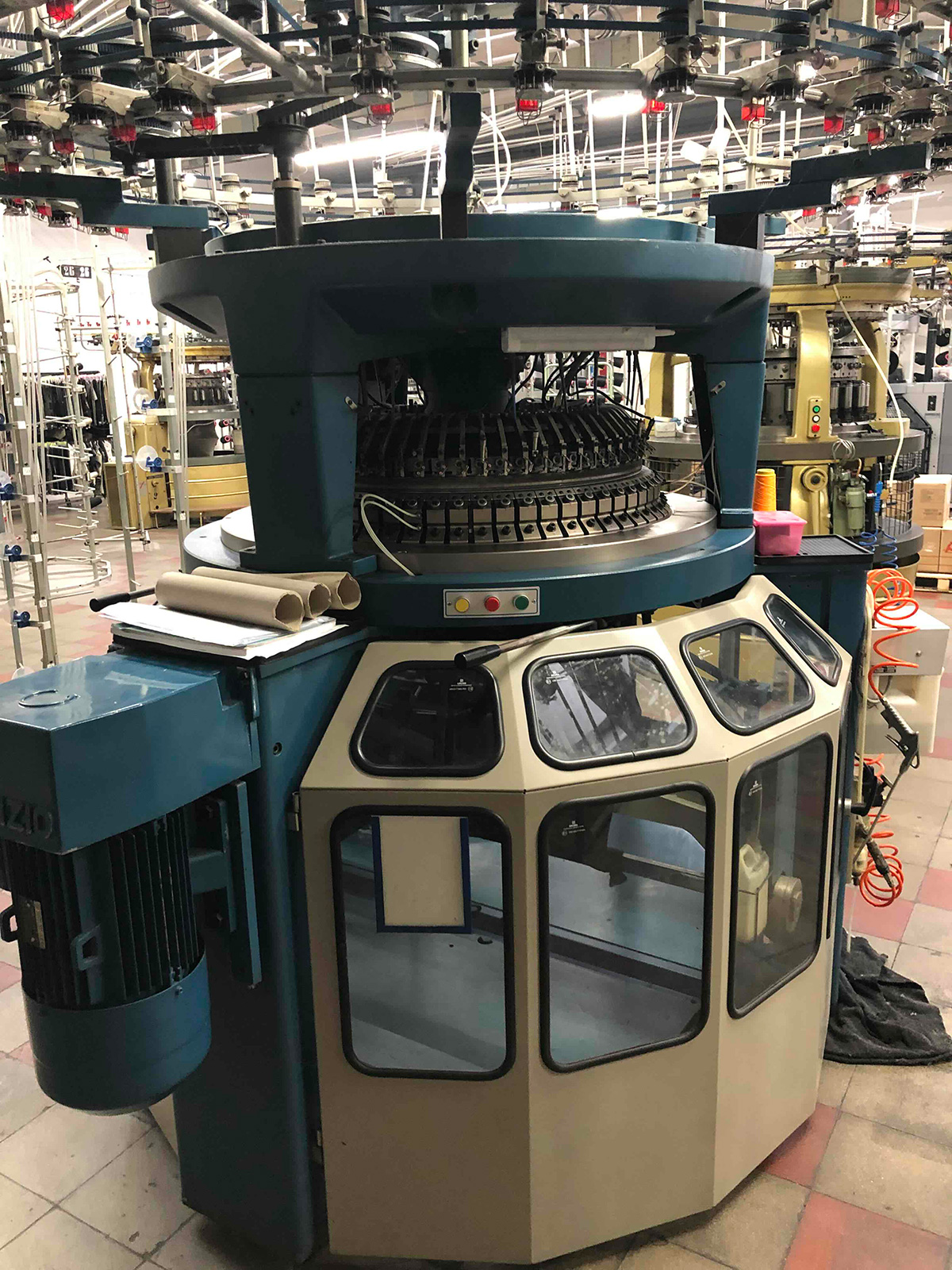
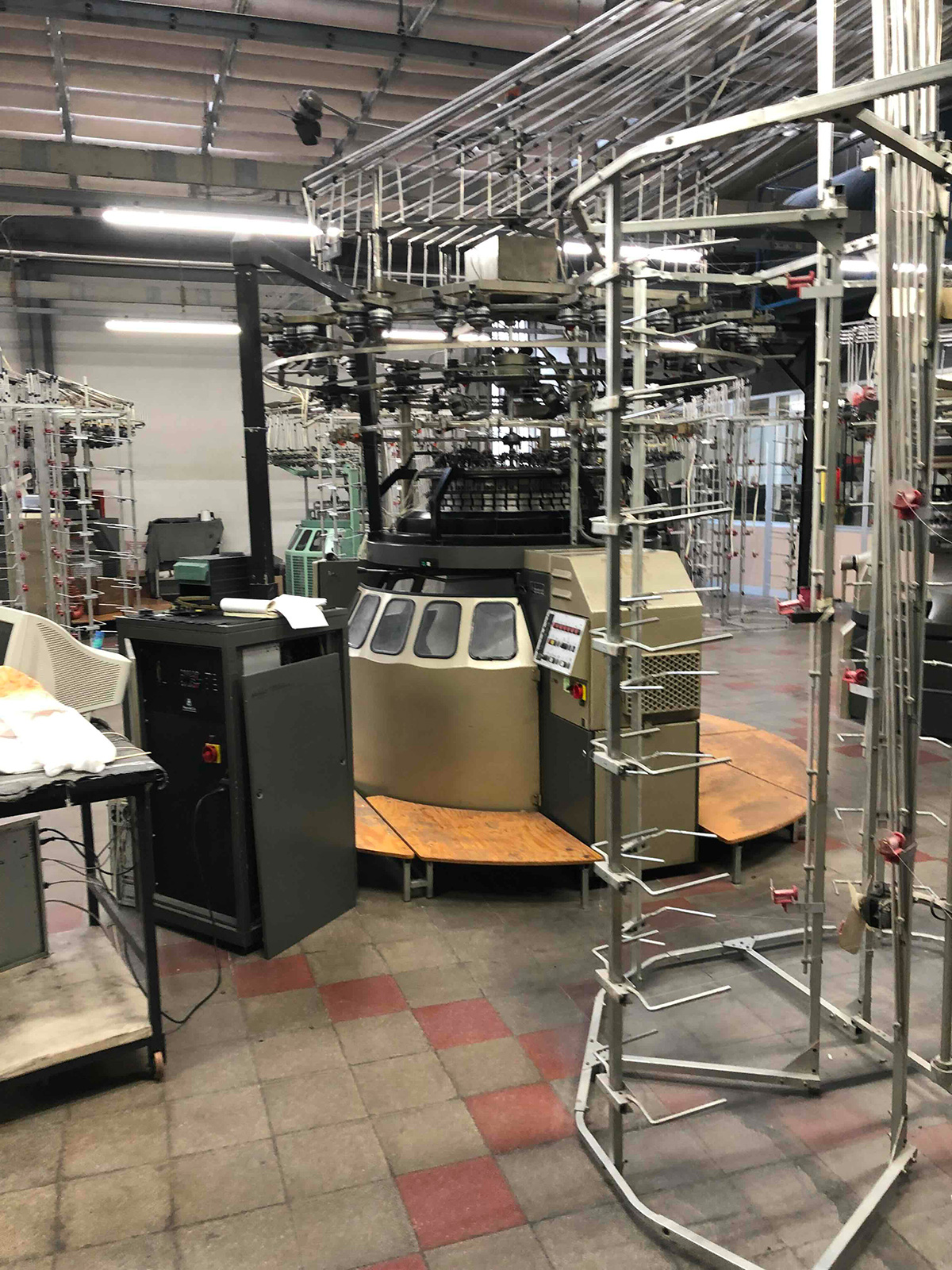
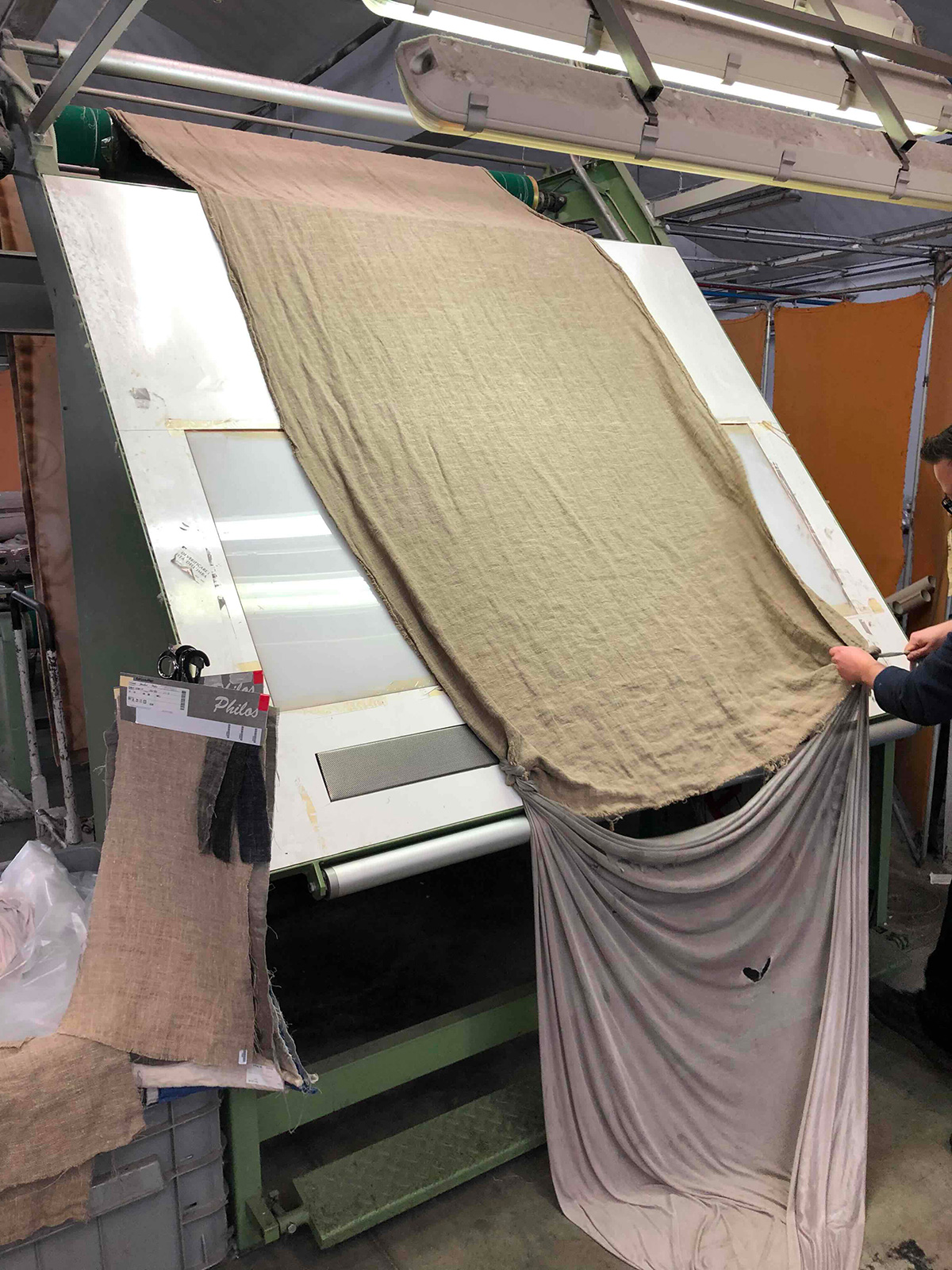
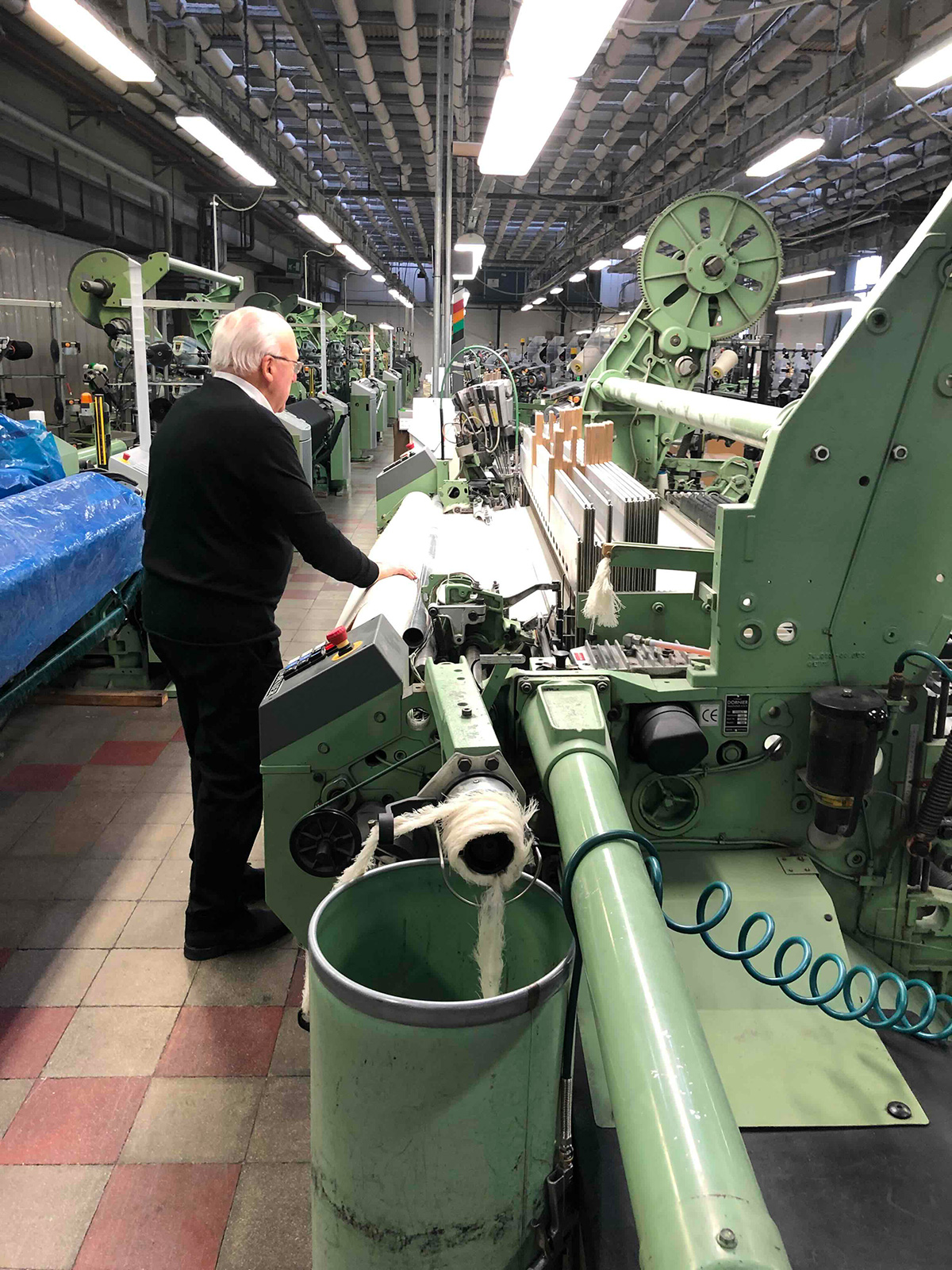
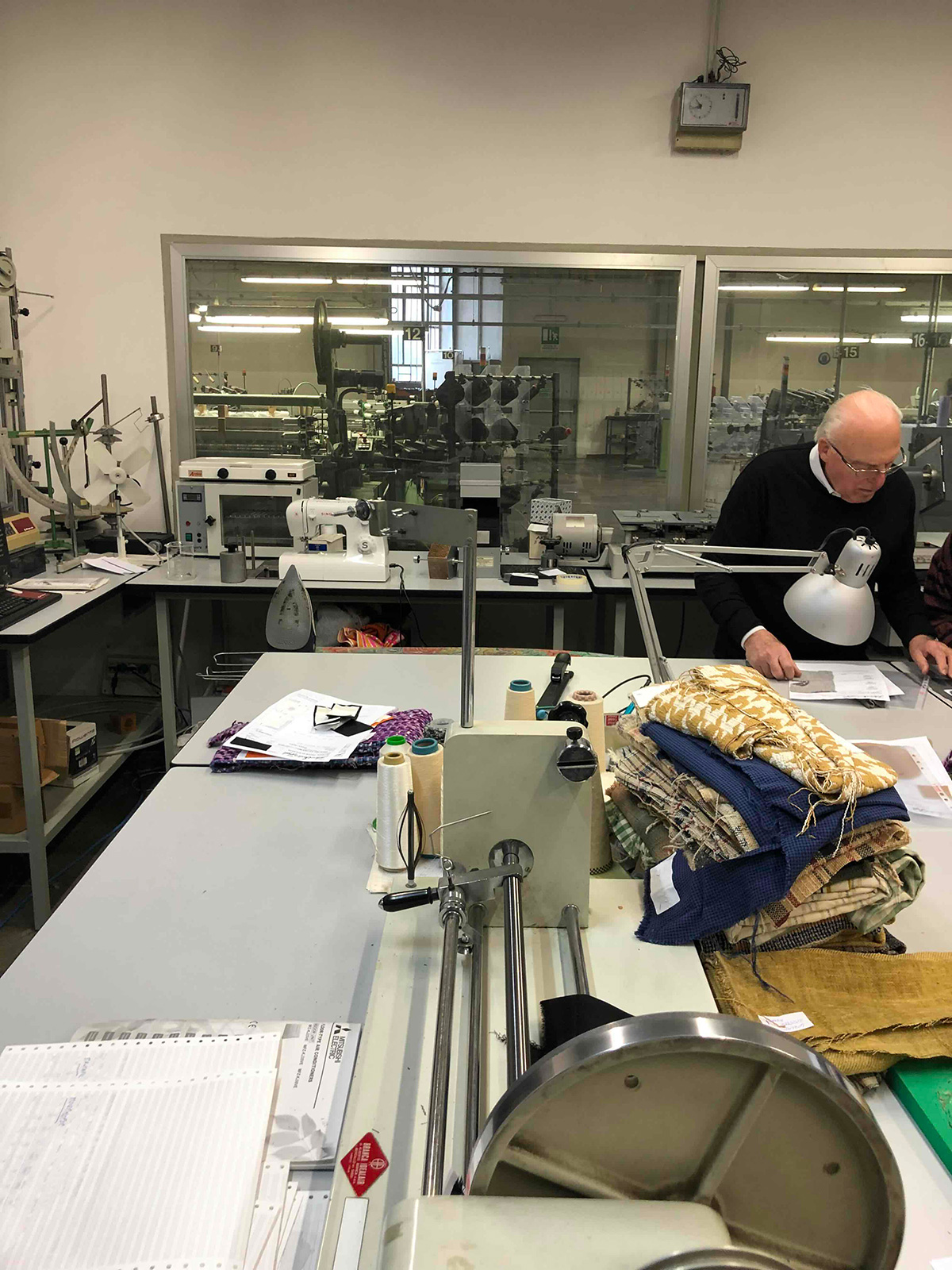
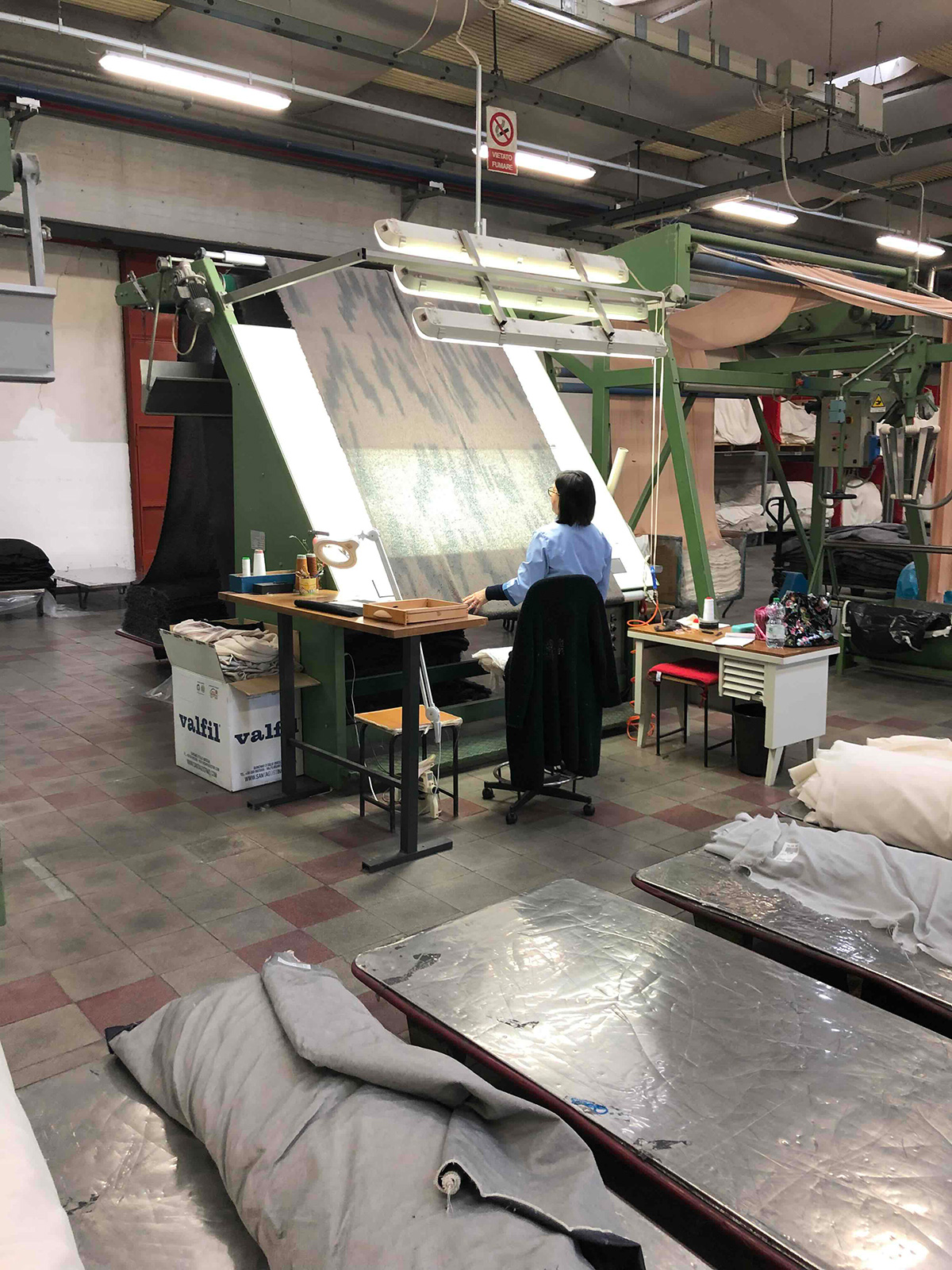
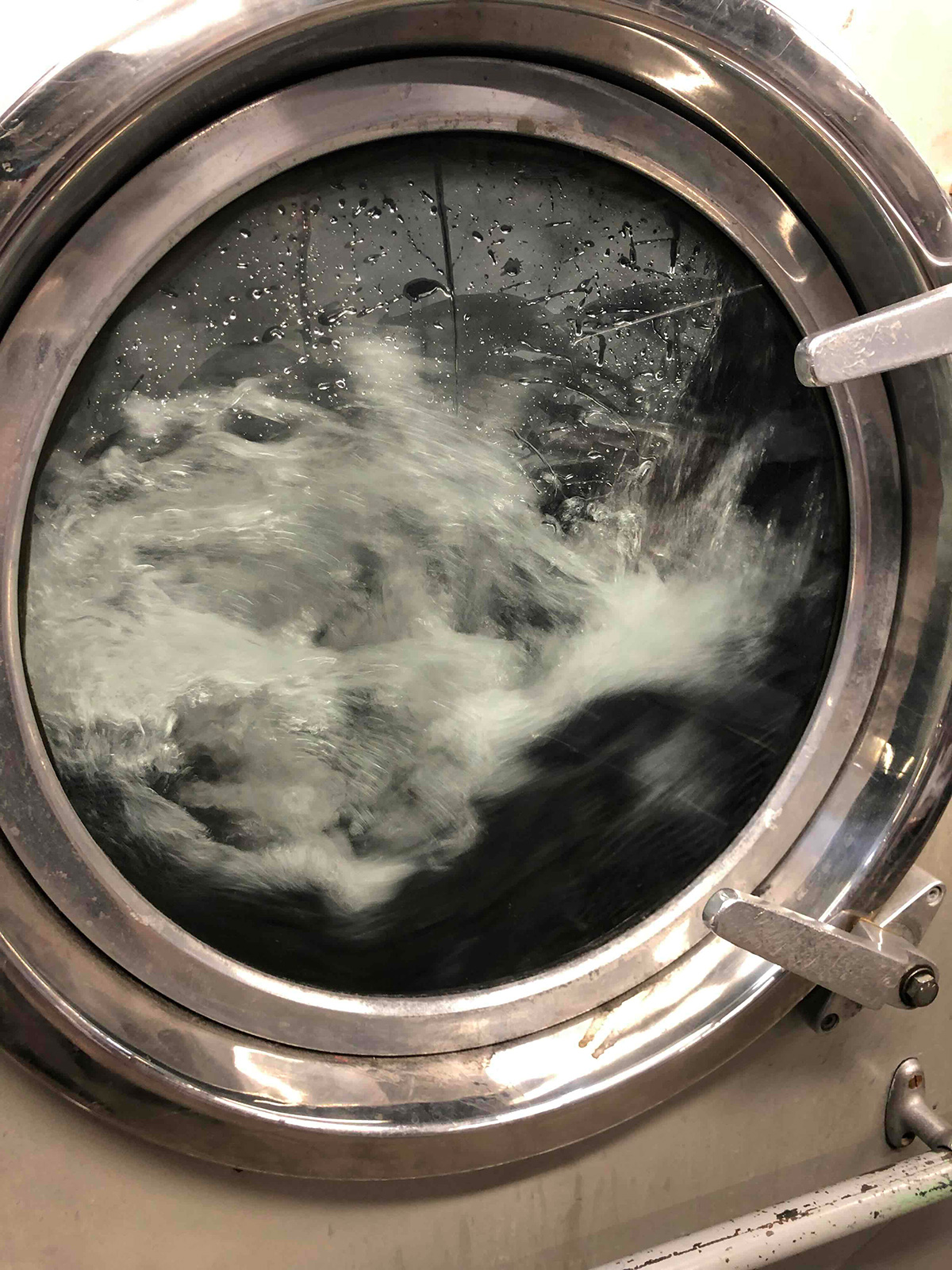
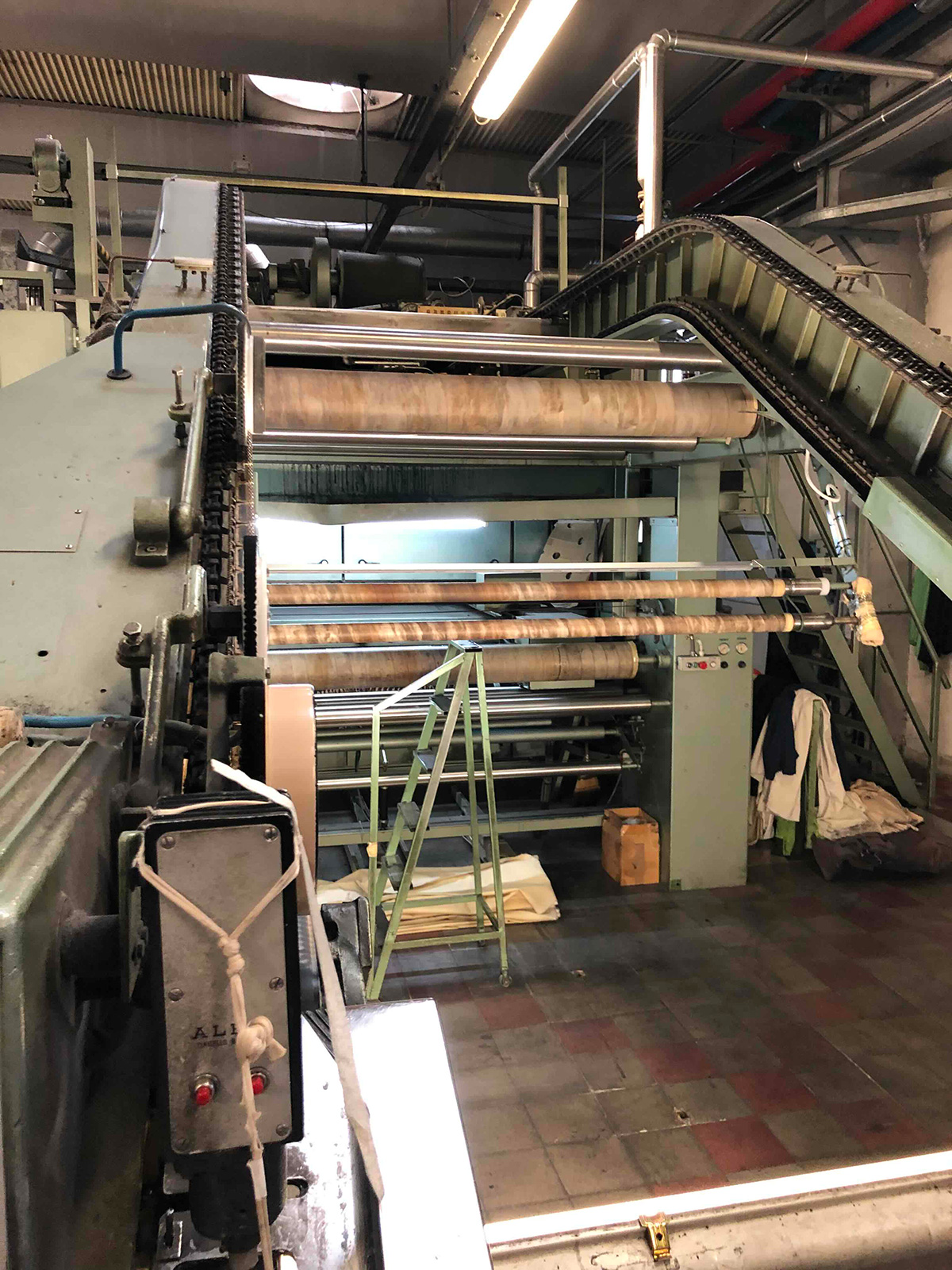
A factory that handles everything from knitting to weaving and fabric finishing
Even though Sarti does business with a variety of major fashion houses, it is still basically a family-run business.
I still have many great memories of first visiting the factory and meeting the current owner Roberto. I learned a lot from him.
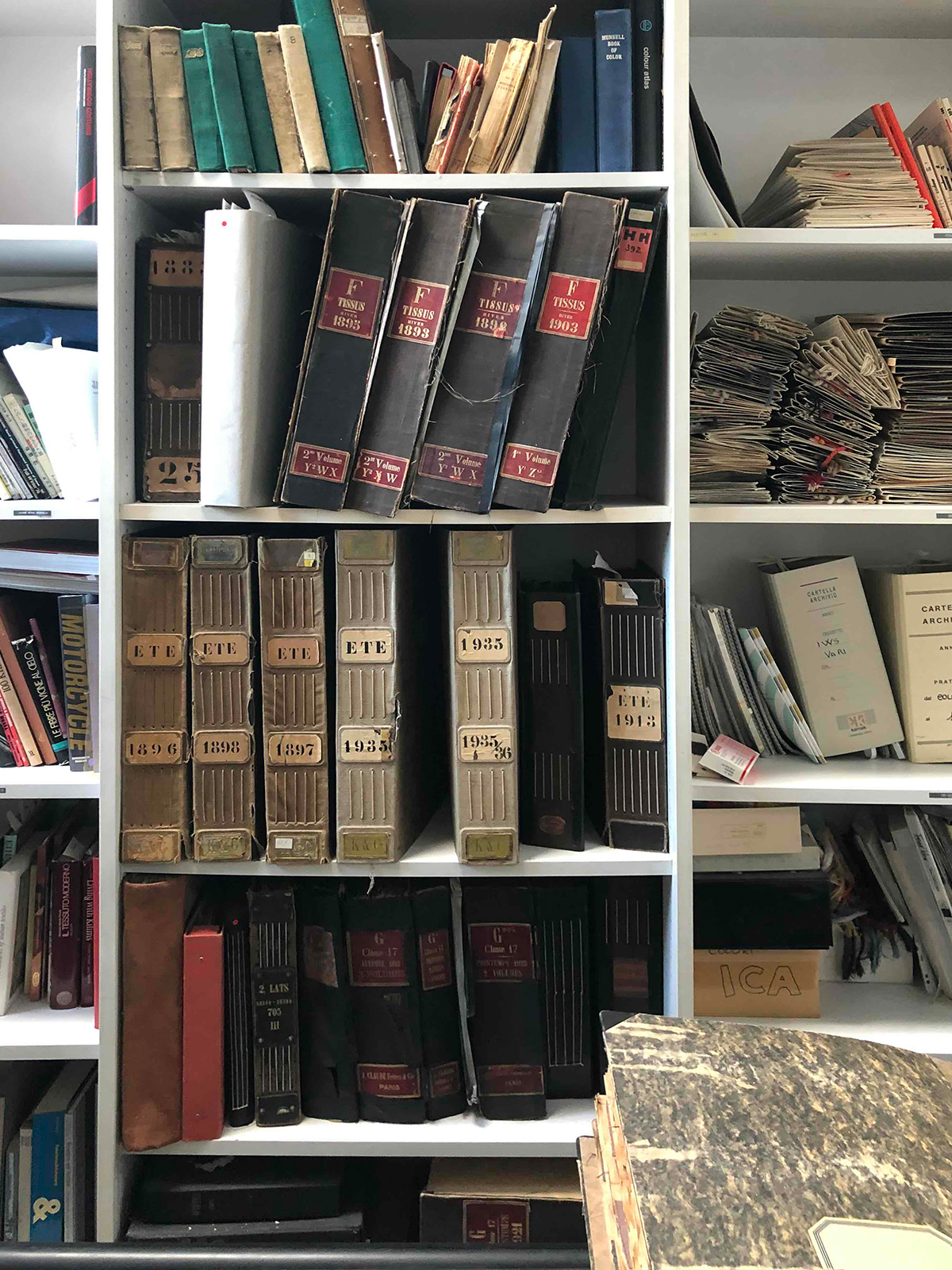
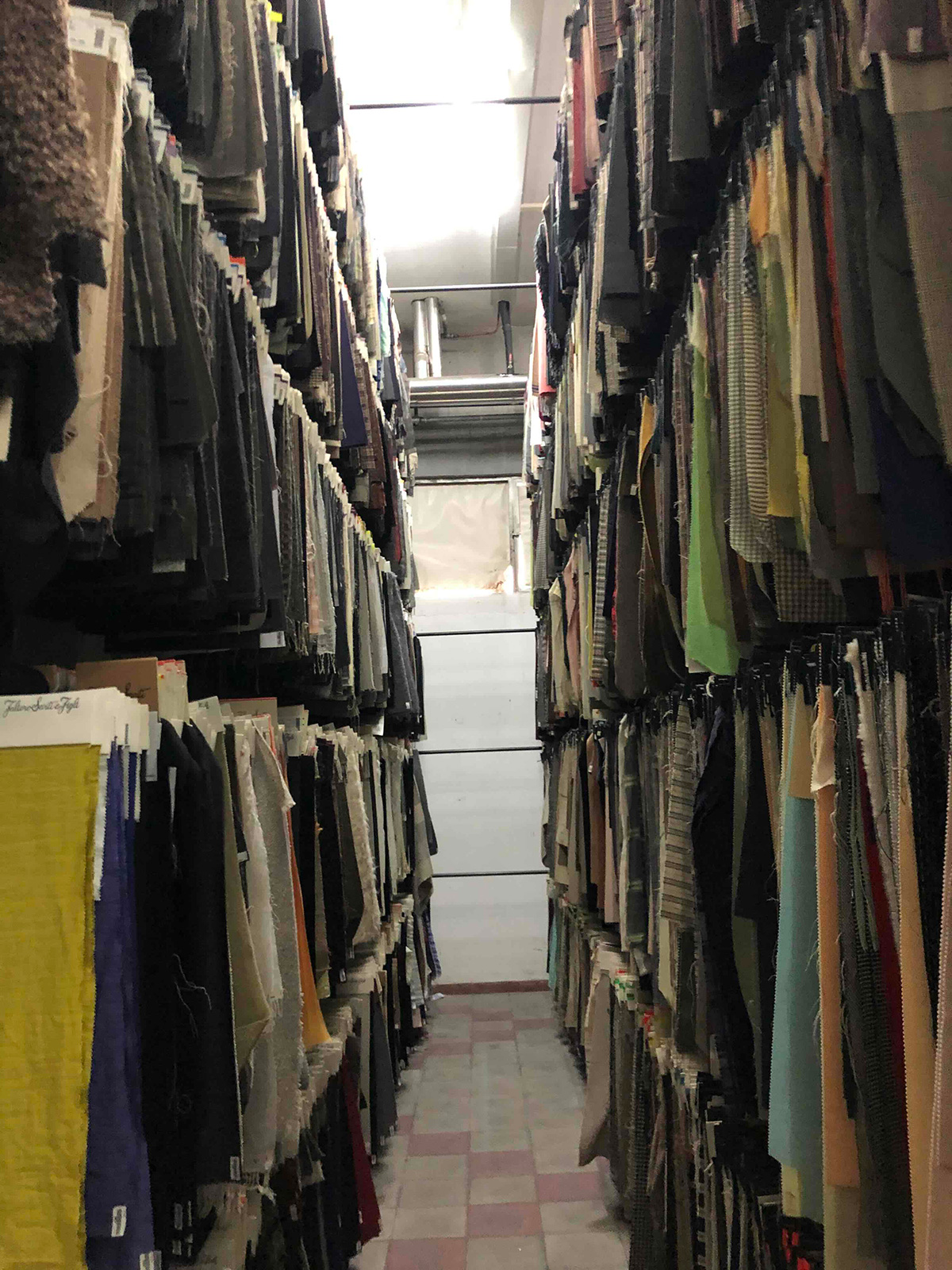
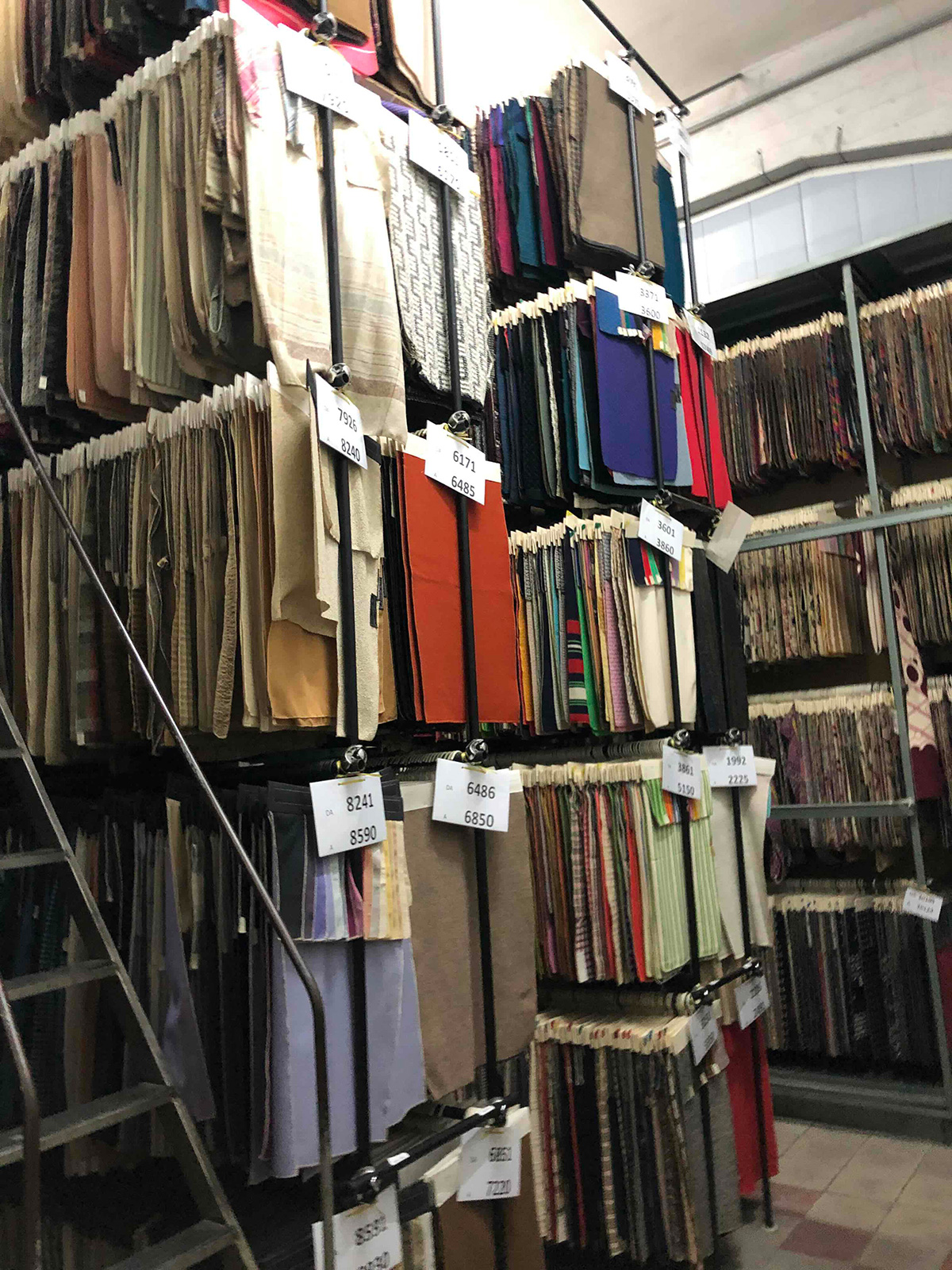
On first visiting their vast factory in Campi, Italy, I learned a lot about the fabrics, manufacturing process and fabric processing.In particular I remember the pleasure I felt when being shown the archive room, containing many of the fabrics that Sarti (a company that has been in business for over 70 years) has provided to its major fashion house clients.
There were an enormous amount of fabrics in the archive room and each one had something personal to teach me, so I have fond memories of being left alone in the room for about four hours, handling the various fabrics and learning about their individual structures and processing.
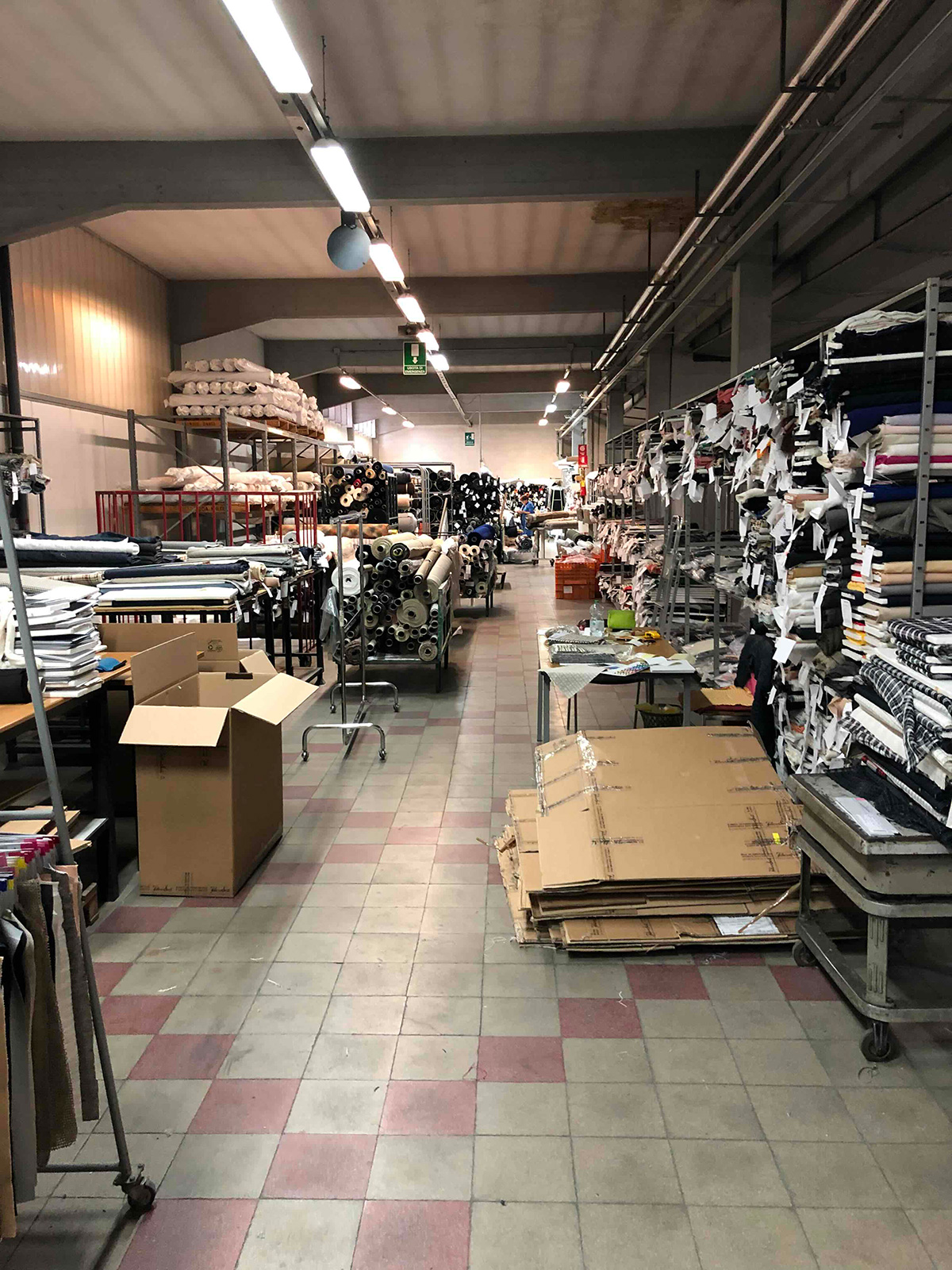
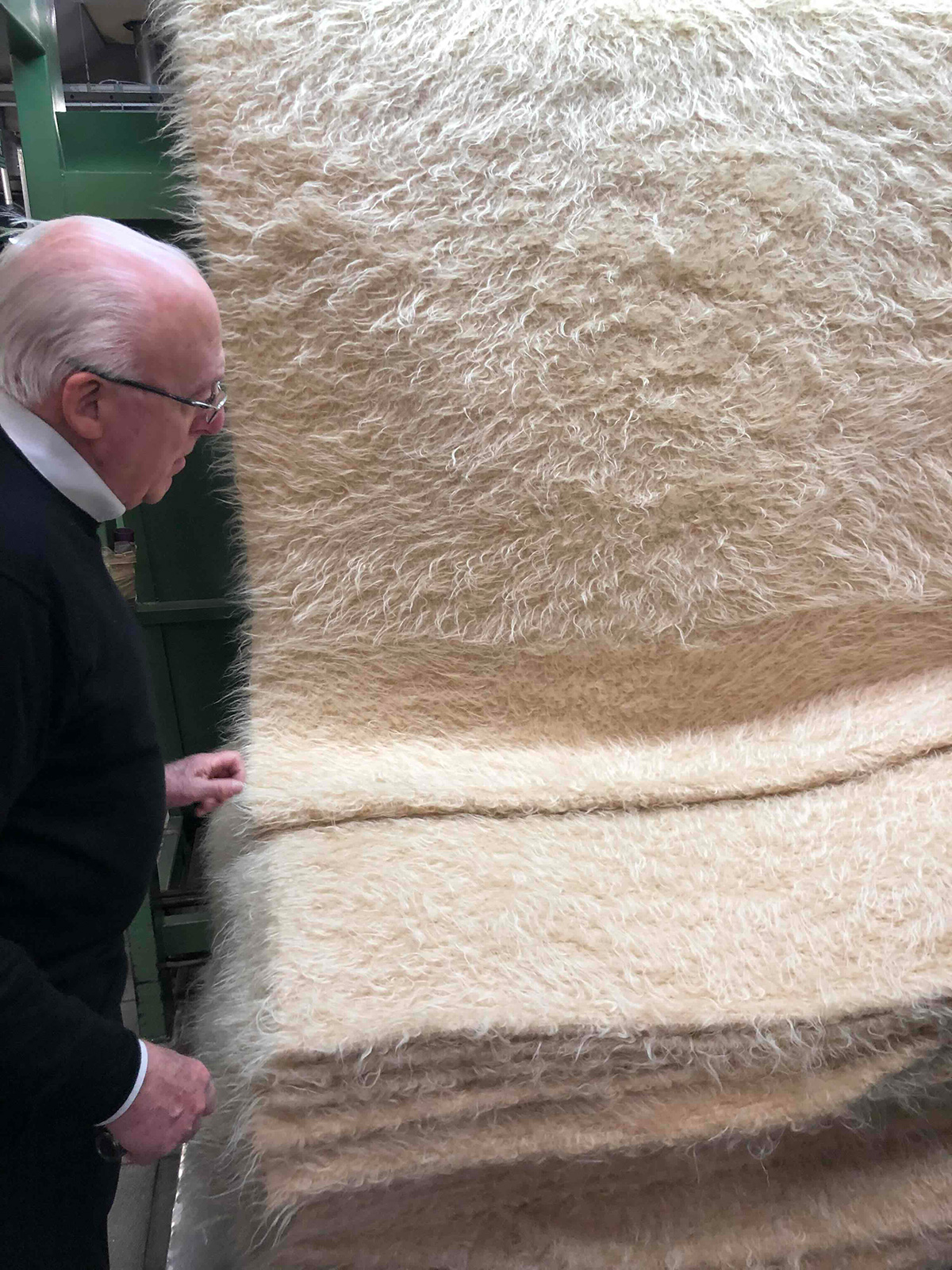
Fabric waiting to be shipped to a big maison
/ An archive room with a huge amount of fabric
In European traditions, such as that of Italy, there are materials and processing methods that cannot be seen in Japan.
Among the materials that I have actually used in my own designs, the virgin wool and camel hair are particularly distinctive.
Although materials with similar sounding names can sometimes be found amongst Japanese fabrics, the wonderful fabrics which Faliero Sarti produces are very distinctive and cannot actually be found in Japan.
The costs of these materials have been rising year by year which makes it very difficult for DEVOA to use them and still make a profit commercially, however when I see how they look and feel when made into the finished design it always results in a worthwhile product.
For example, after a certain fabric has been woven it is then processed using an Italian artisanal dyeing technique referred to as low-temperature dyeing which results in what I think is a very distinctive color expression.
This low-temperature dyeing process can be used on everything from natural fibers to animal fibers, and can create a variety of different looks for the colors of the fabric.
When I make fabrics in Japan, I also use uneven dyeing techniques, but the low-temperature dyeing by Faliero Sarti creates a truly original and attractive fabric.
I cannot provide too many other specific details as they involve secret company information, but there are many other fascinating aspects involved such as fabric finishes that can only be achieved by hand, textile design concepts and special color combinations.
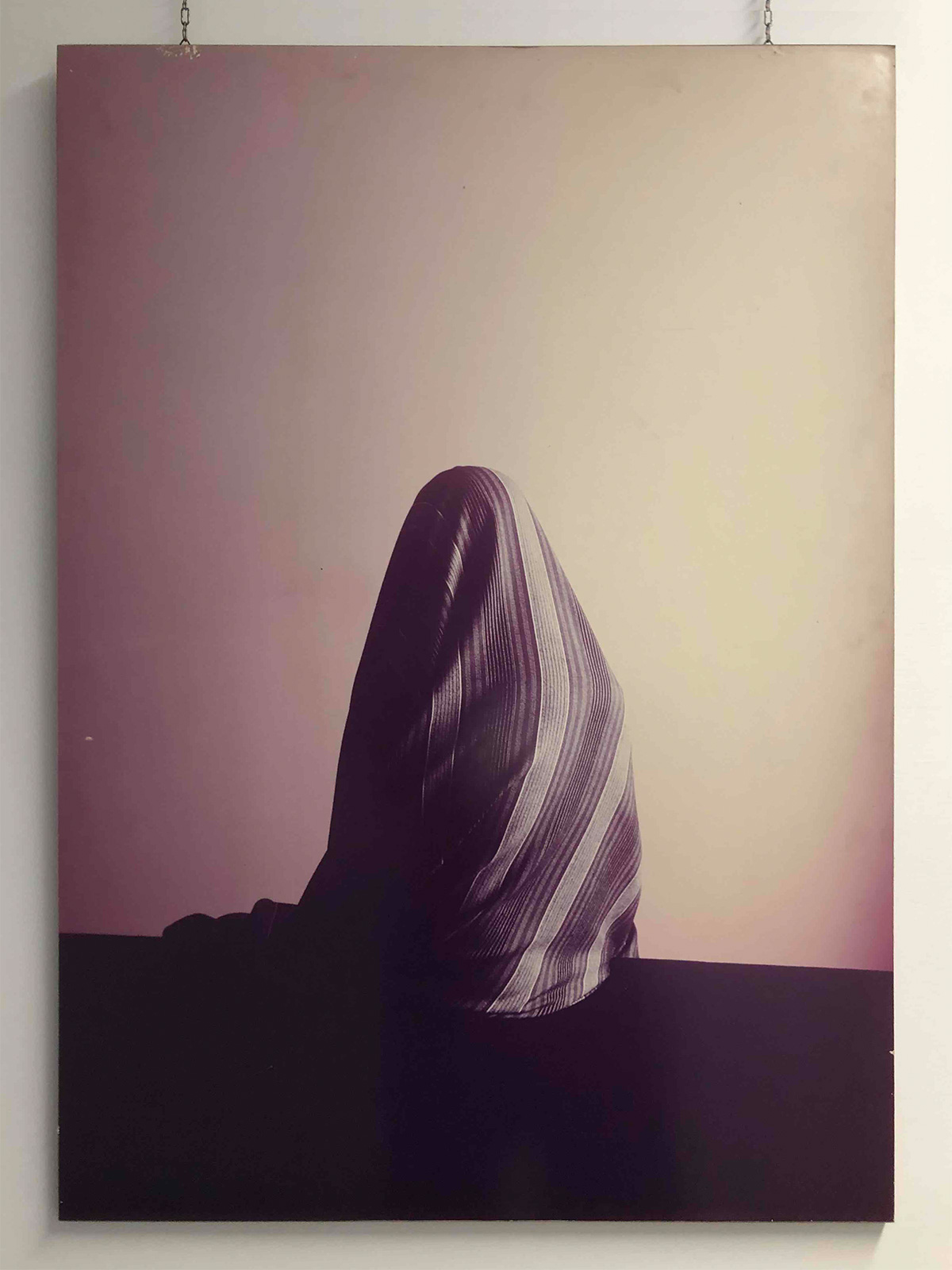
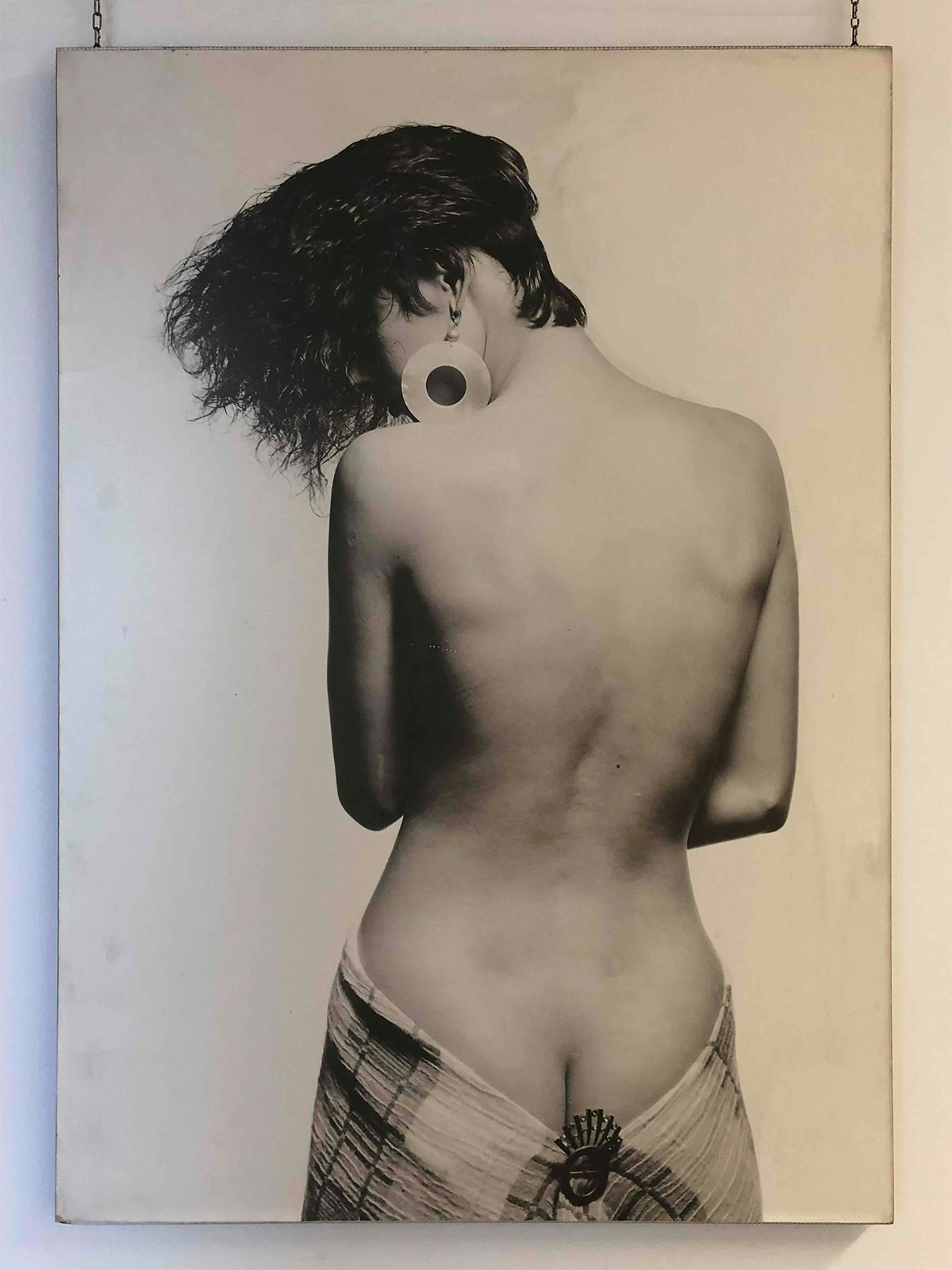
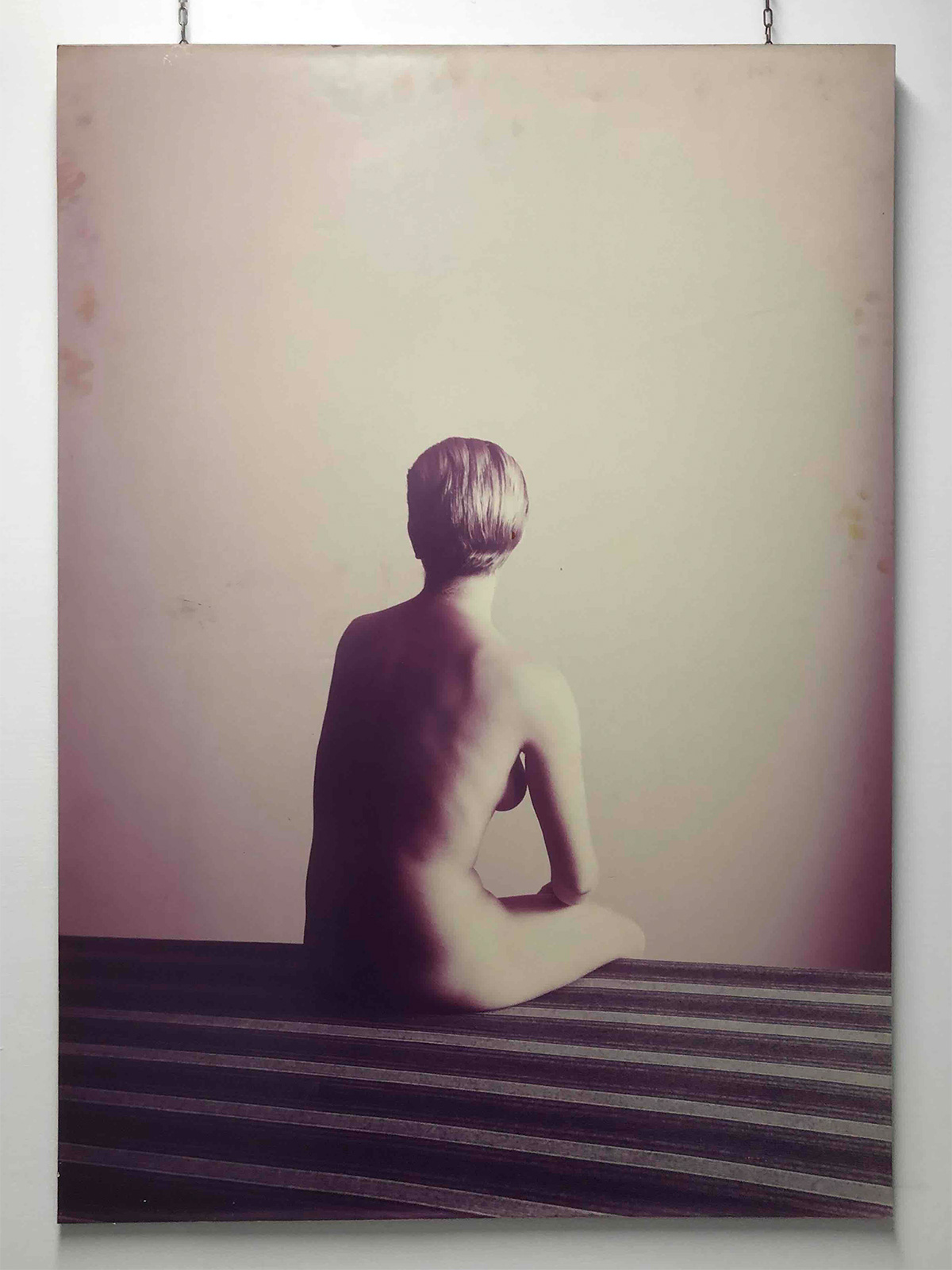
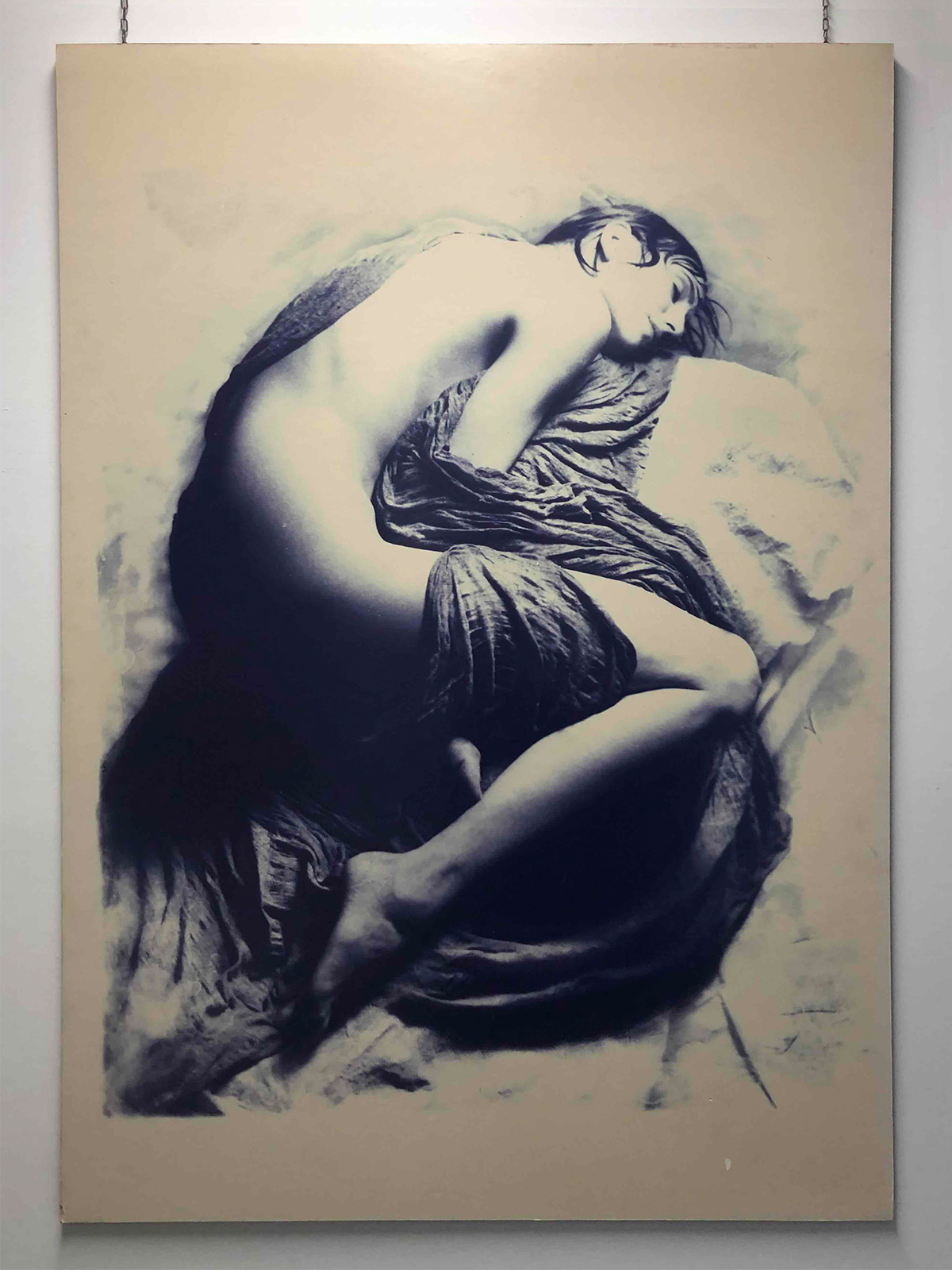
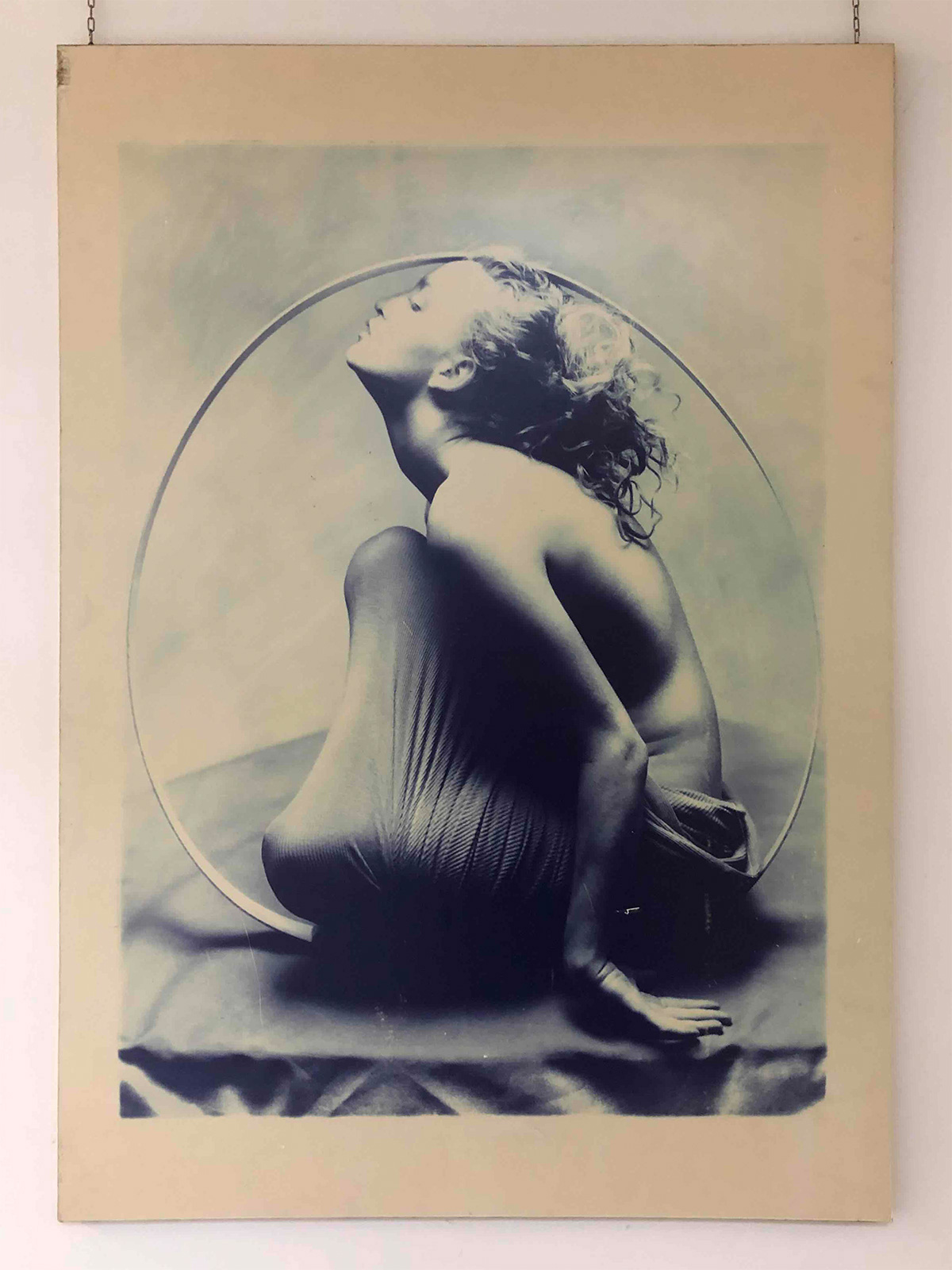
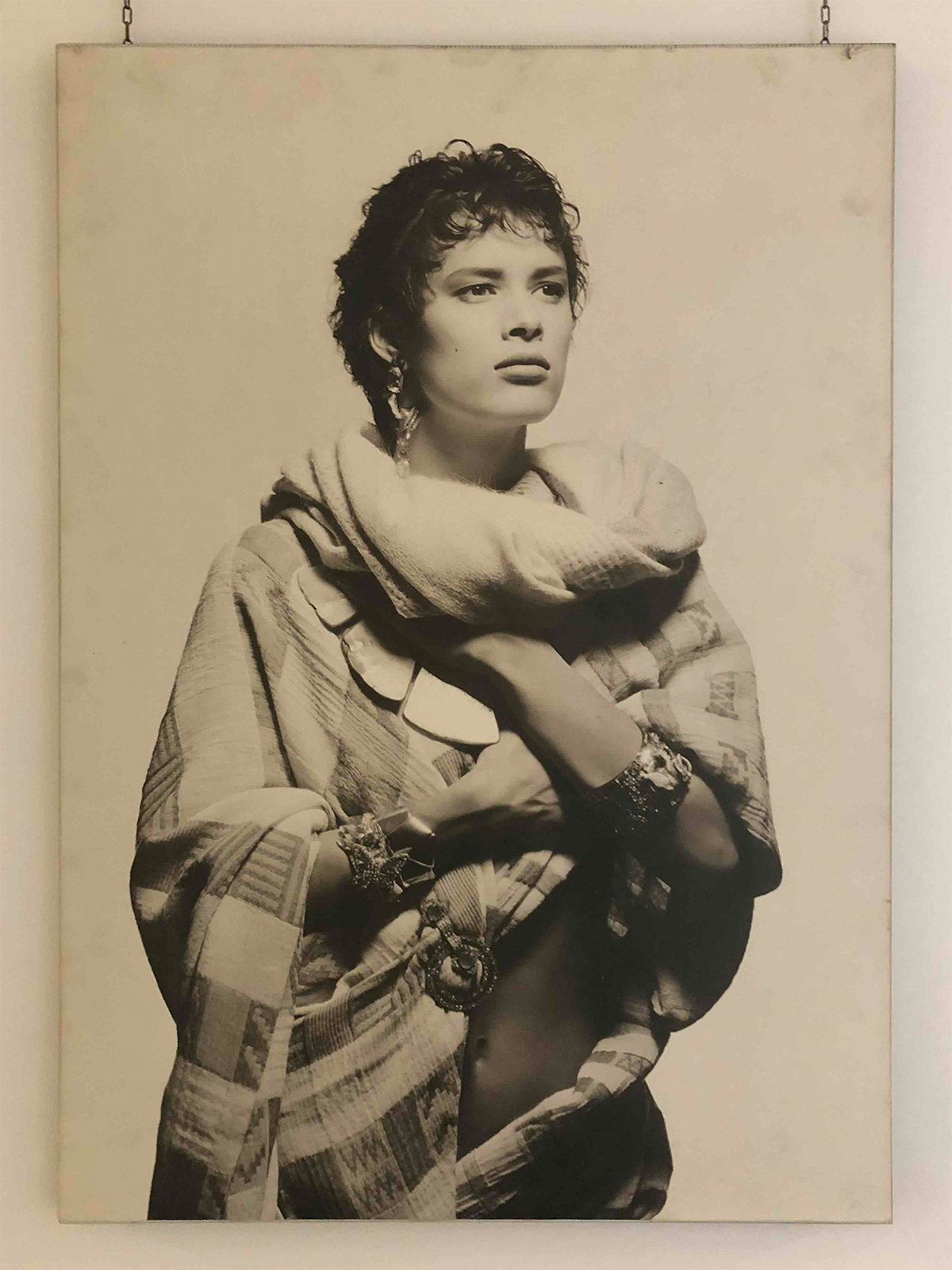
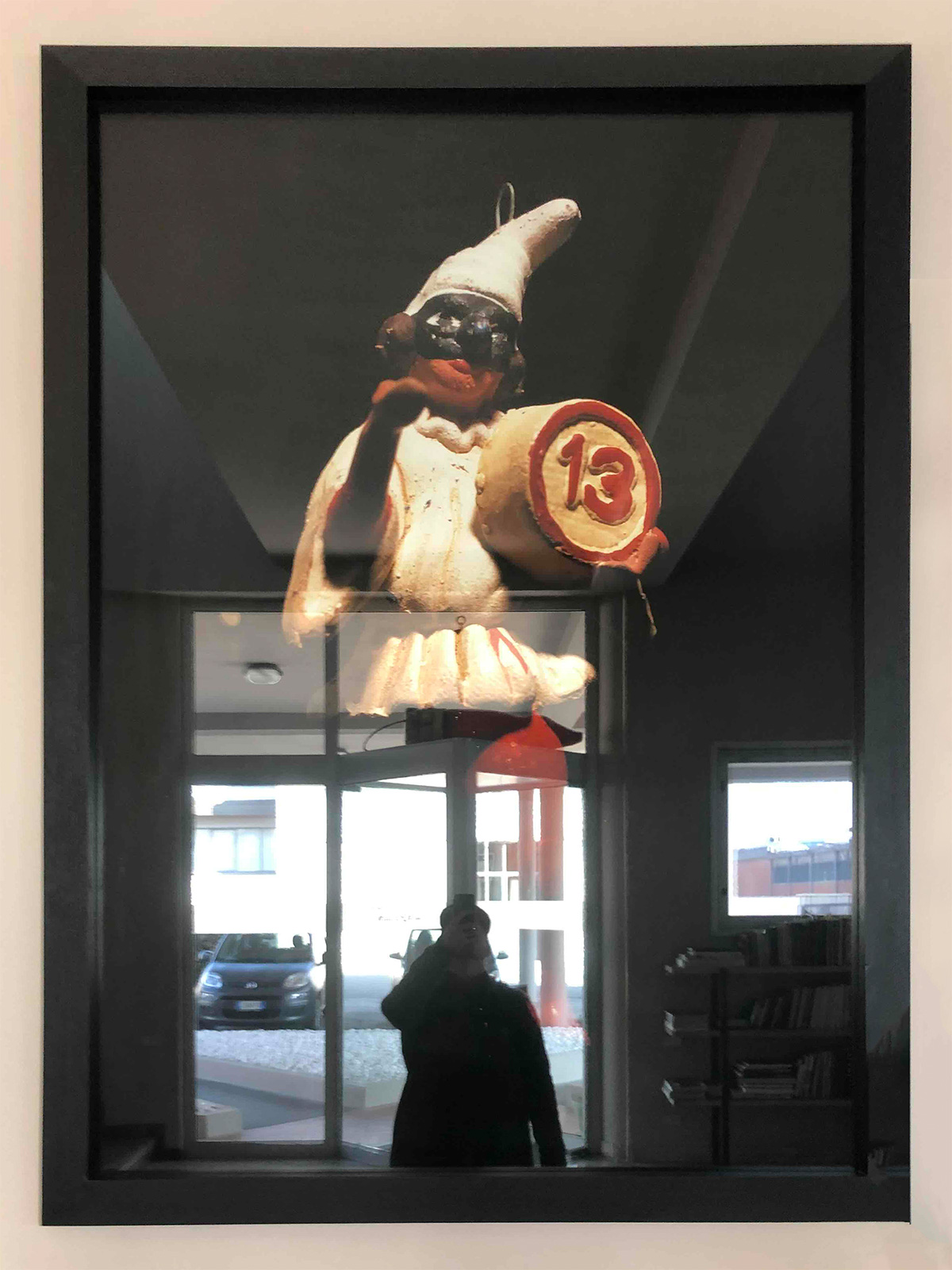
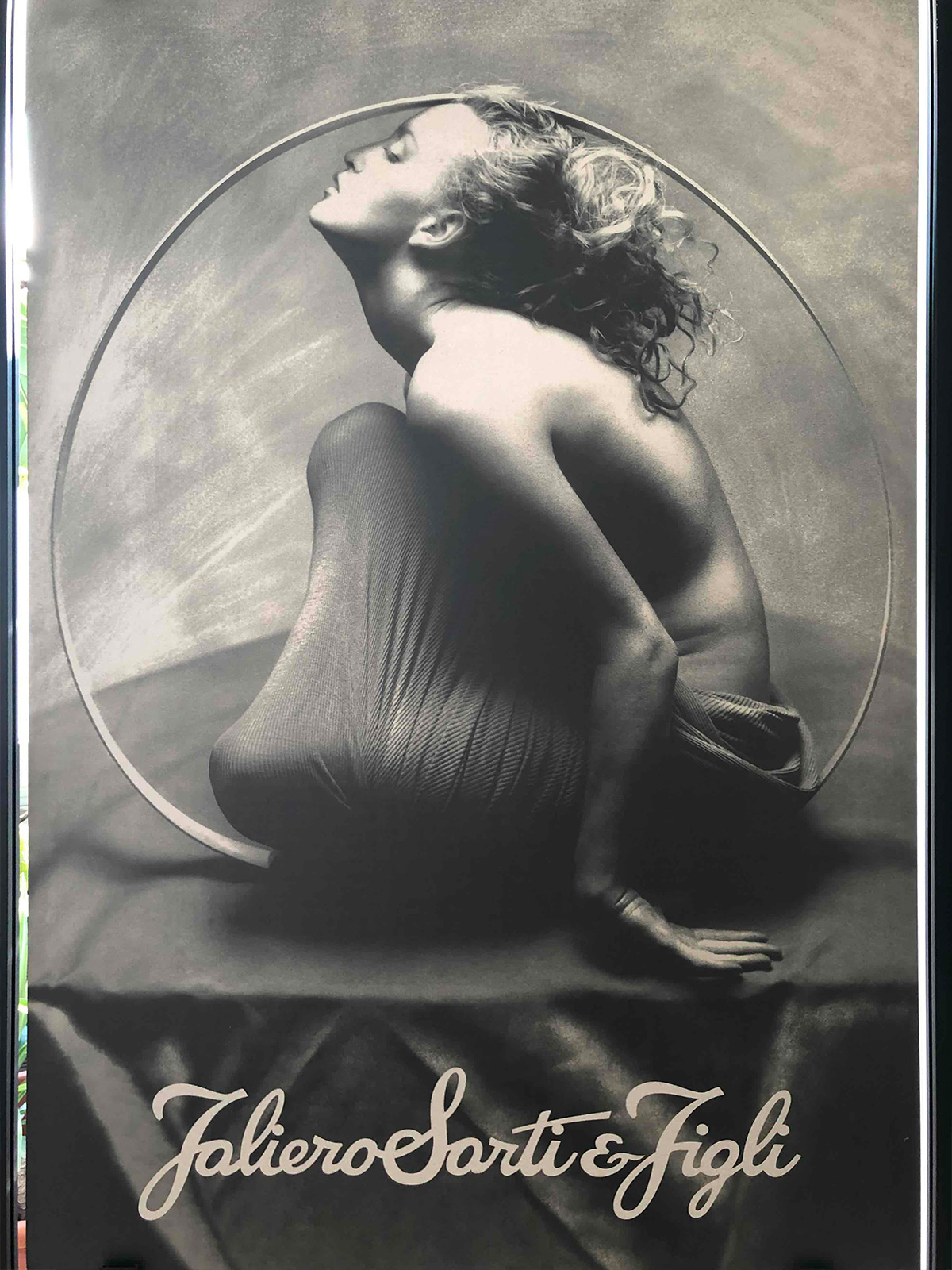
Beautiful photographs by photographer Javier Vallhonrat, featuring Faliero Sarti fabrics, are displayed inside the company headquarters.
During my stay in Italy, I was invited to Roberto’s home on several occasions and treated to homemade meals.
Roberto’s house, whilst being large, still has the atmosphere of an ordinary home and is not at all as extravagant as you might expect at first glance.
However, the house is situated upon a hill with a panoramic view of the city and the large garden is filled with olive trees, which allows the impression of time passing at a leisurely pace.
This view and the relaxed pace of life from a high vantage point gave me the experience of being able to think about the true meaning of “luxury”.
I have fond memories of Roberto telling me about his love for Japan and how he owned many Japanese folk craft artifacts.
As a Japanese person this made me very happy and proud.
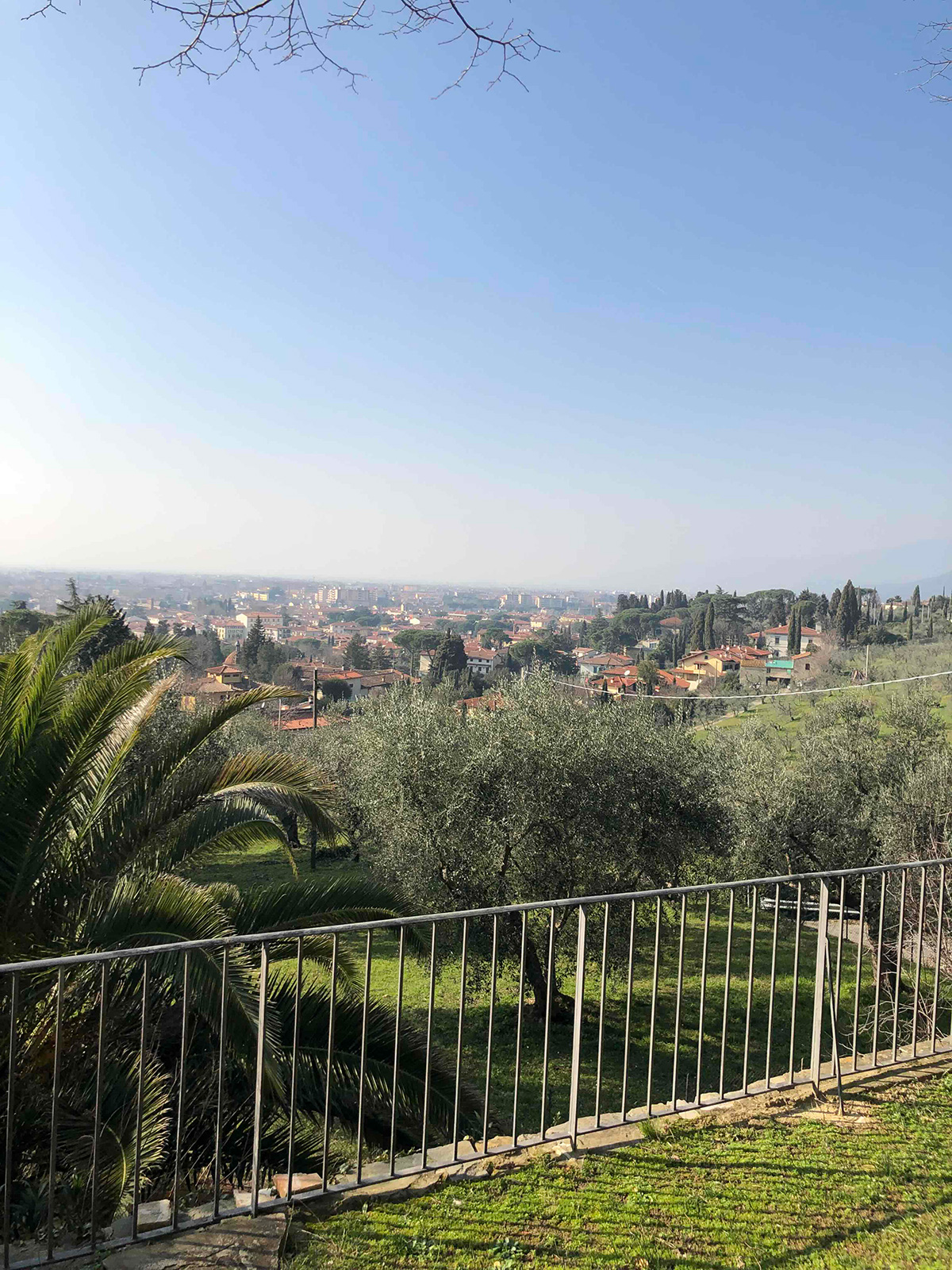
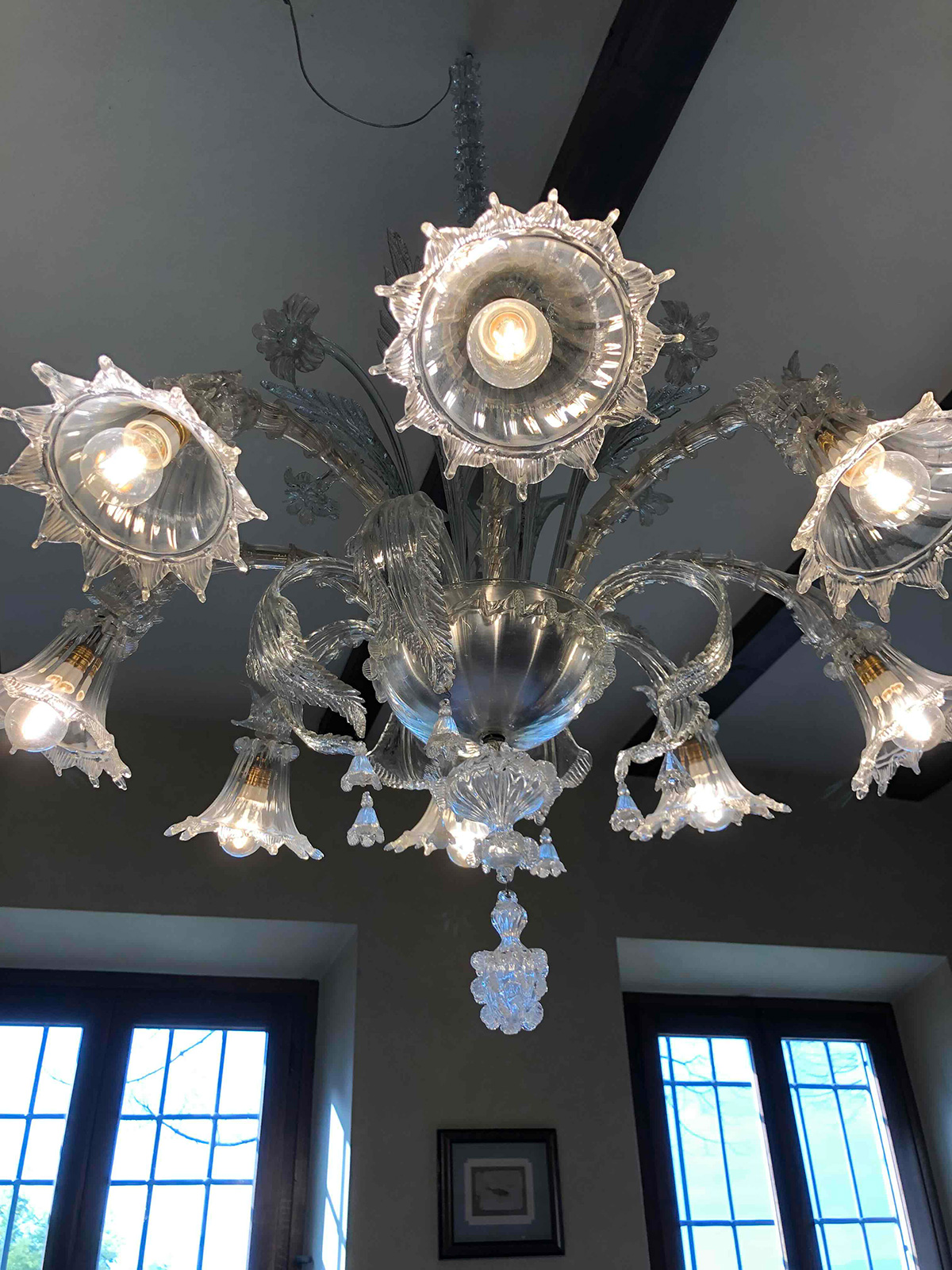
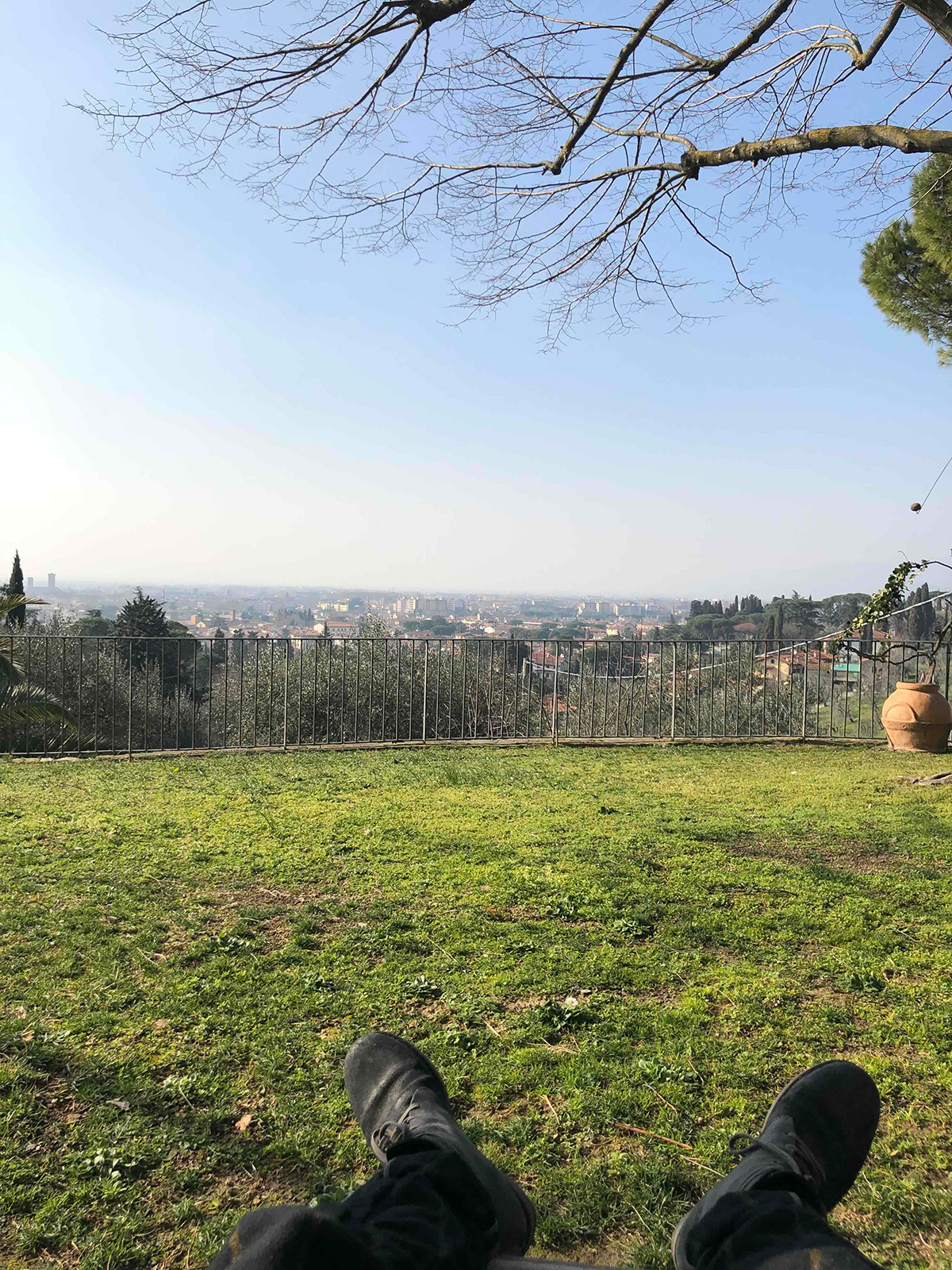
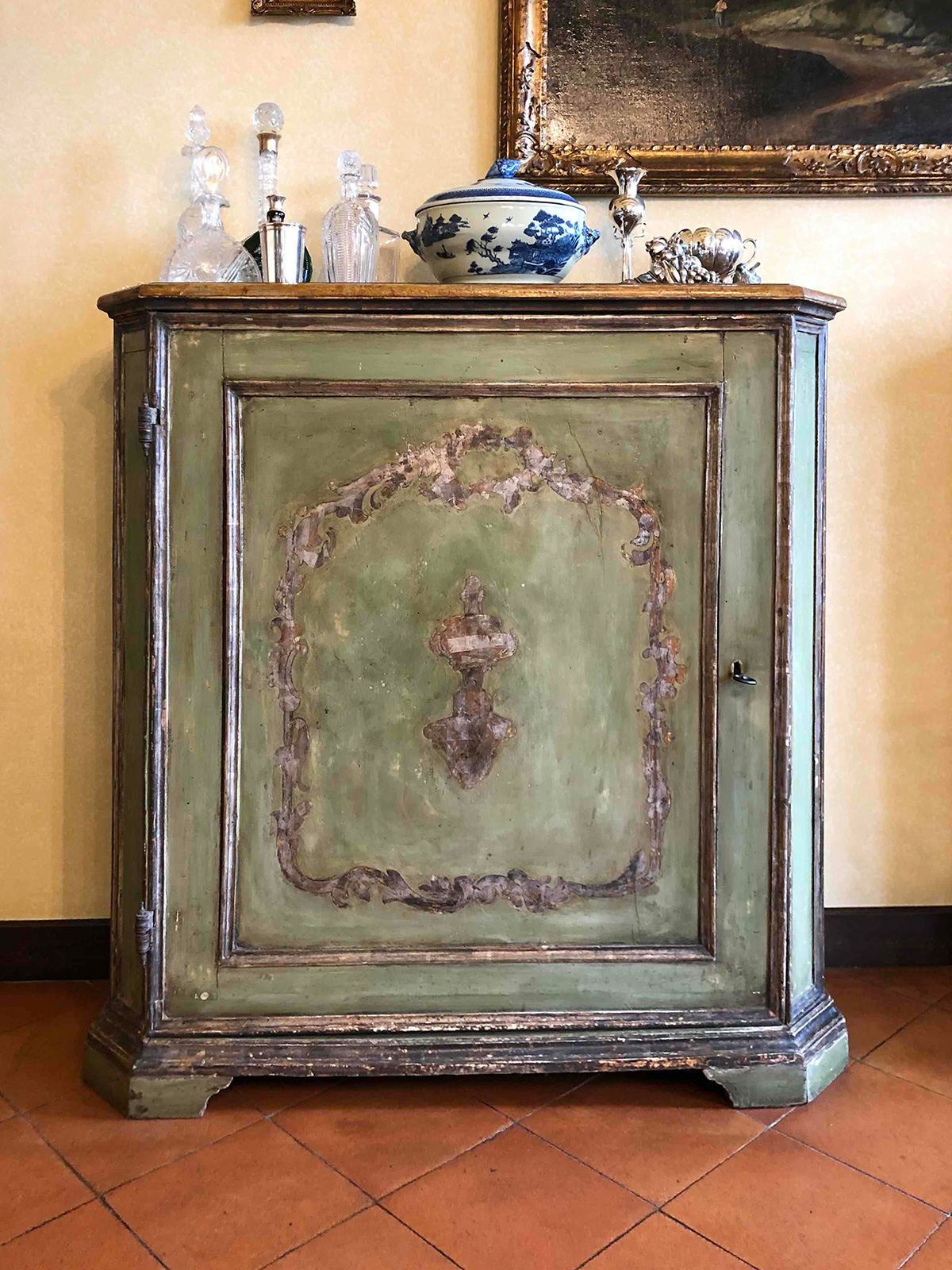
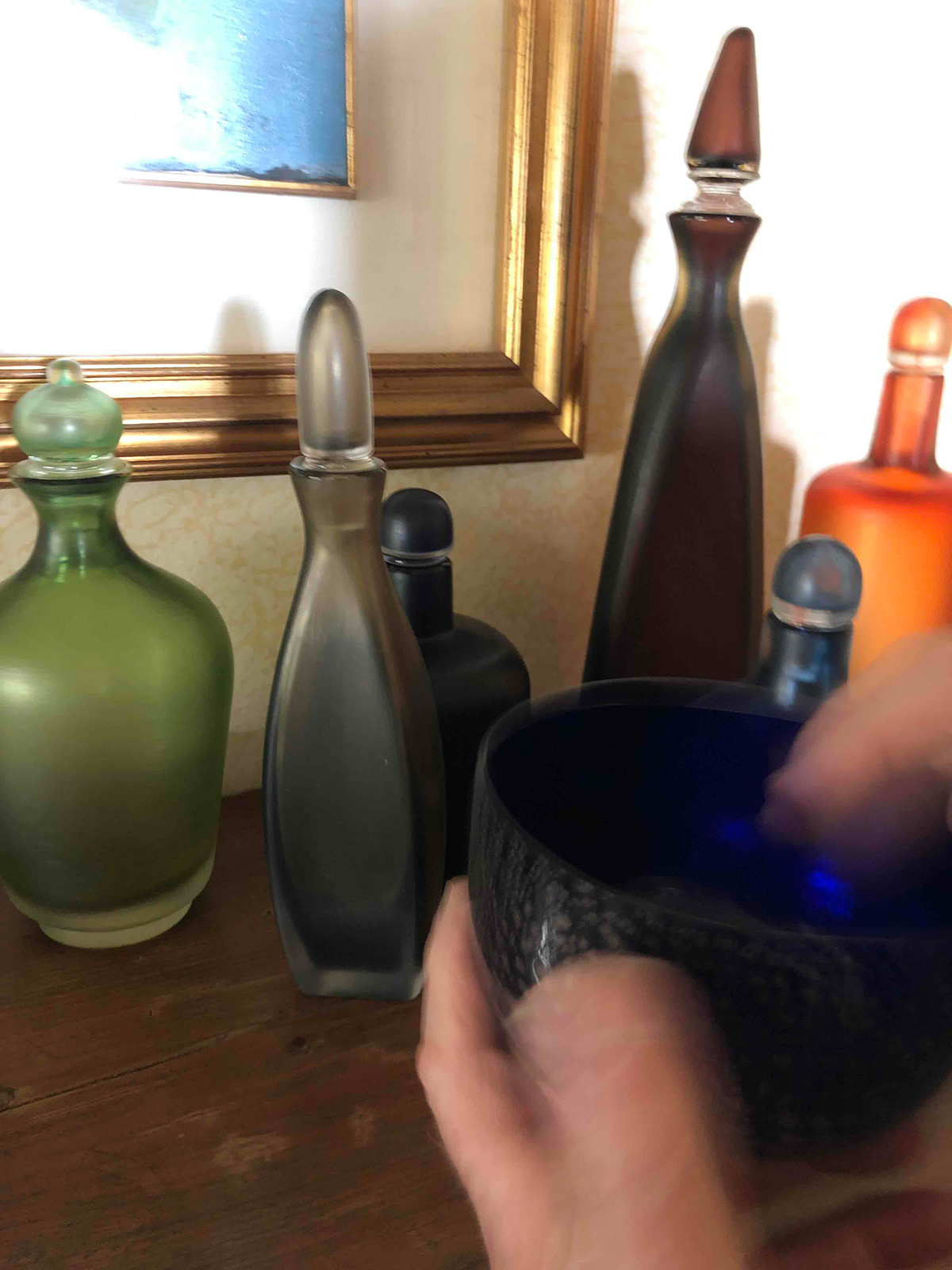
Roberto Sarti’s residence overlooking the city of Prato
Of course, Japanese fabric production companies also produce wonderful fabrics, but it was a great opportunity to experience the fundamental differences in manufacturing between Japanese and foreign companies.
I am grateful for having learned so much from different sewing and fabric production sites and the influence I received from them has led me to the creation of my own particular work today.
It is my strong desire to continue to create with this gratitude in my heart every single day.